Industrial Design Thesis

Augmented Dance Education

A system combining wearable technology and a smart environment to deter injury in young professional dancers.

Project Specs

  • Context: Bachelor of Industrial Design Thesis
  • Timeline: 2 Semesters (Summer framing + full academic year)
  • Focus: Research-focused, Ergonomics, User Research, Soft Goods
  • Tools: CLO3D, Fusion360, Form Prototyping

Overview

Dance is a timeless representation of art and music expressed through the movement of the body. Many turn to dance as a recreational sport or extracurricular activity.

However, there is a presumption that dancing is merely a leisurely activity. In reality, it involves intense physical exertion. Research shows that 81% of dancers report injuries within their first year of learning, and 58% suffer a substantial injury affecting both performance and daily tasks.

This thesis proposes a solution to deter injury occurrence rates in young professional dancers through augmented education, combining wearable technology with a smart environment.

Thesis Project Hero Shot
Conceptual visualization of the Augmented Dance Education system.

Research & Problem Definition

The Problem

The risk of dance injuries for learning students is extremely high. Knee, back, and ankle-related injuries can severely impact an individual's life.

Dance injuries are often overlooked compared to other sports injuries. Although therapy is similar, prevention is often neglected. Primary injuries can cascade into long-term pain and disability. Current aids for dancers often focus only on joint strain or require expensive, space-consuming installations.

Key Insight: Dancers often lack real-time feedback on their bio-mechanics during practice, leading to poor form habits that cause injury.

Injury Analysis Statistics
Dance Injury Type Breakdown

Categorization of Needs

Three categories of needs were identified: Wants & Wishes, Latent Needs, and Immediate Needs. Immediate needs include parental support, better movement indicators, and consistent practice. Latent needs revealed a strong desire for communication between teachers, therapists, and students, which often lacked intimacy.

Wants & Wishes Latent Needs Immediate Needs
Parental Support Better indicators of movement Consistency in practice
Fun Activity Potential Communication between teacher and therapist Feedback from the teacher
Access to Environment Attentiveness to all students

User Research

Interviews and analysis were conducted to build a comprehensive understanding of the user.

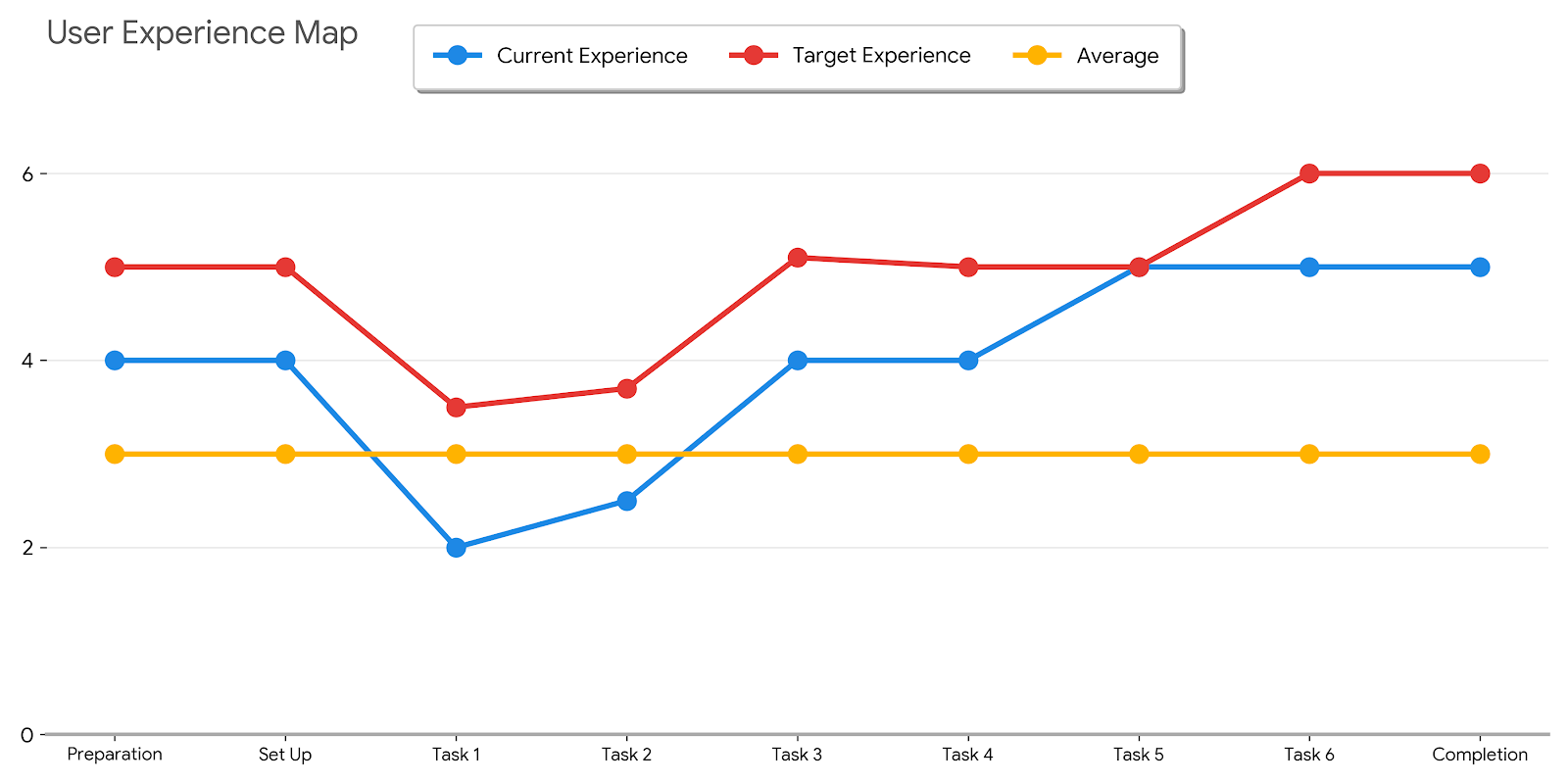
User Experience Mapping

Mapping the dancer's journey through a typical practice session highlights where pain points and opportunities for intervention occur.

User Experience Graph
Dancer's journey through a typical practice session.

Analysis

Affinity Mapping

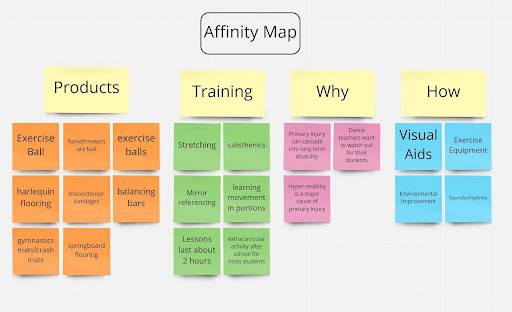
Synthesizing research data into themes helped identify key areas for design intervention. The affinity map categorizes insights from interviews, observations, and literature reviews.

Affinity Map
Affinity map categorizing insights from research.

Ideation & Concepts

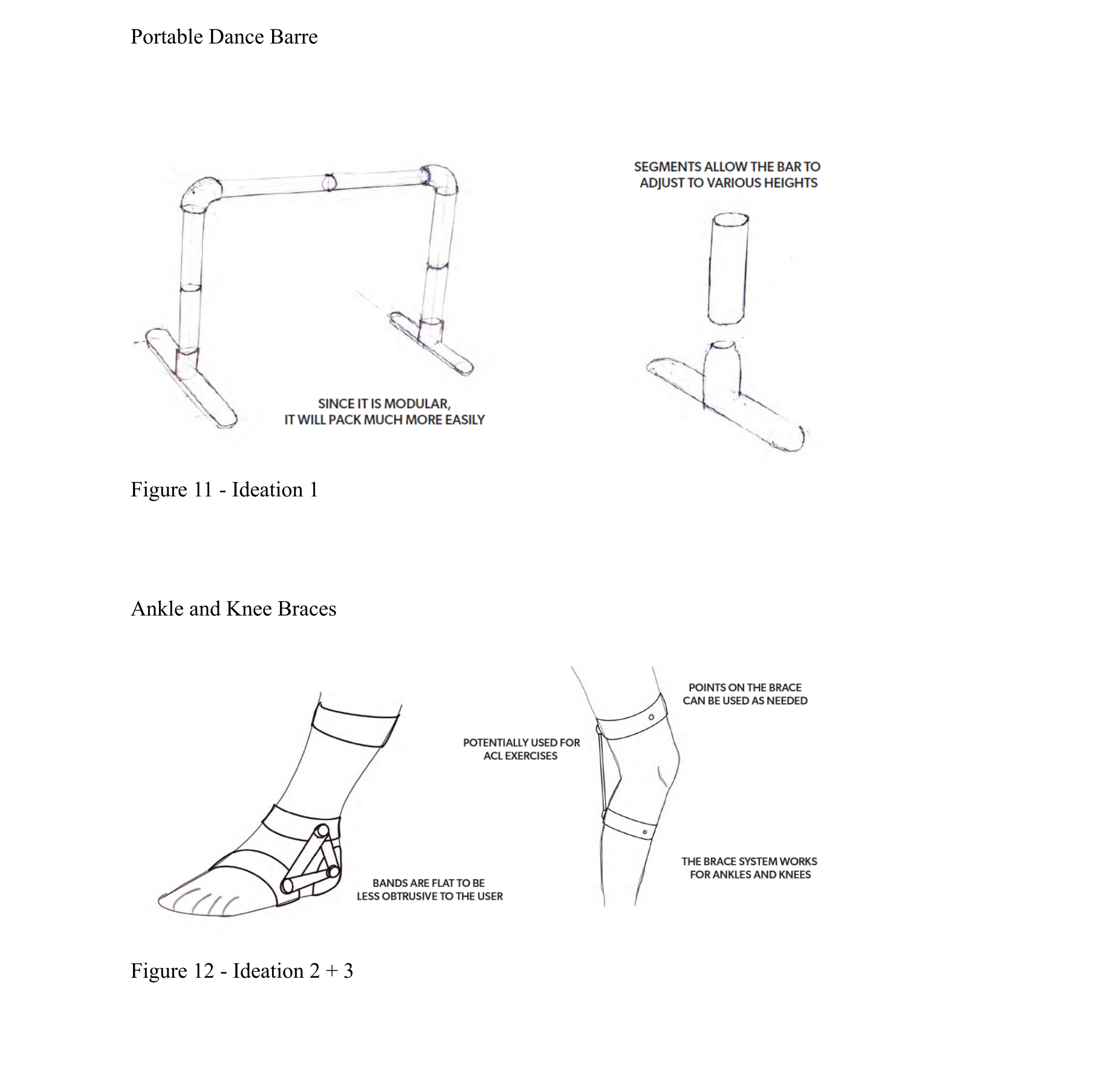
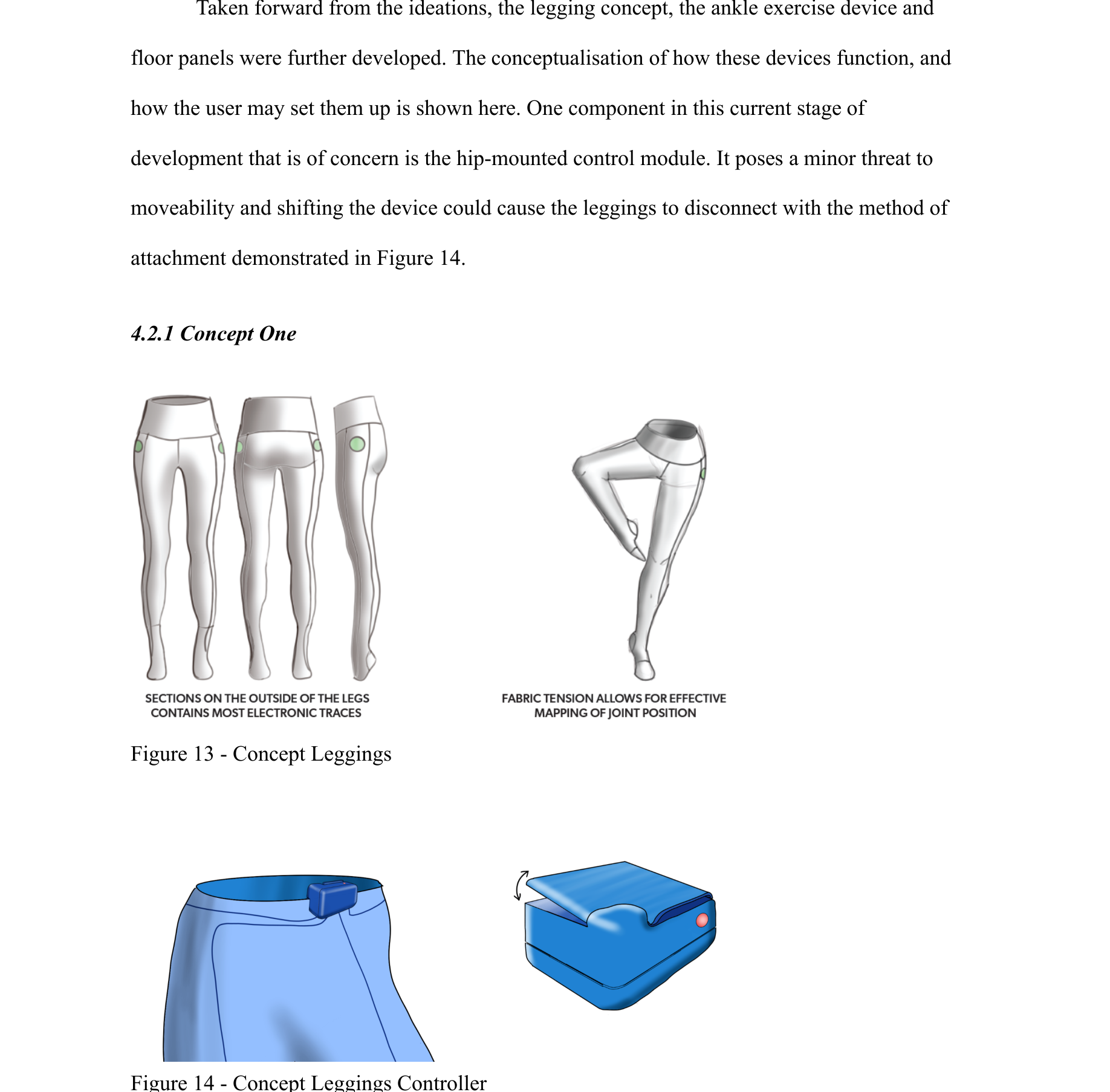
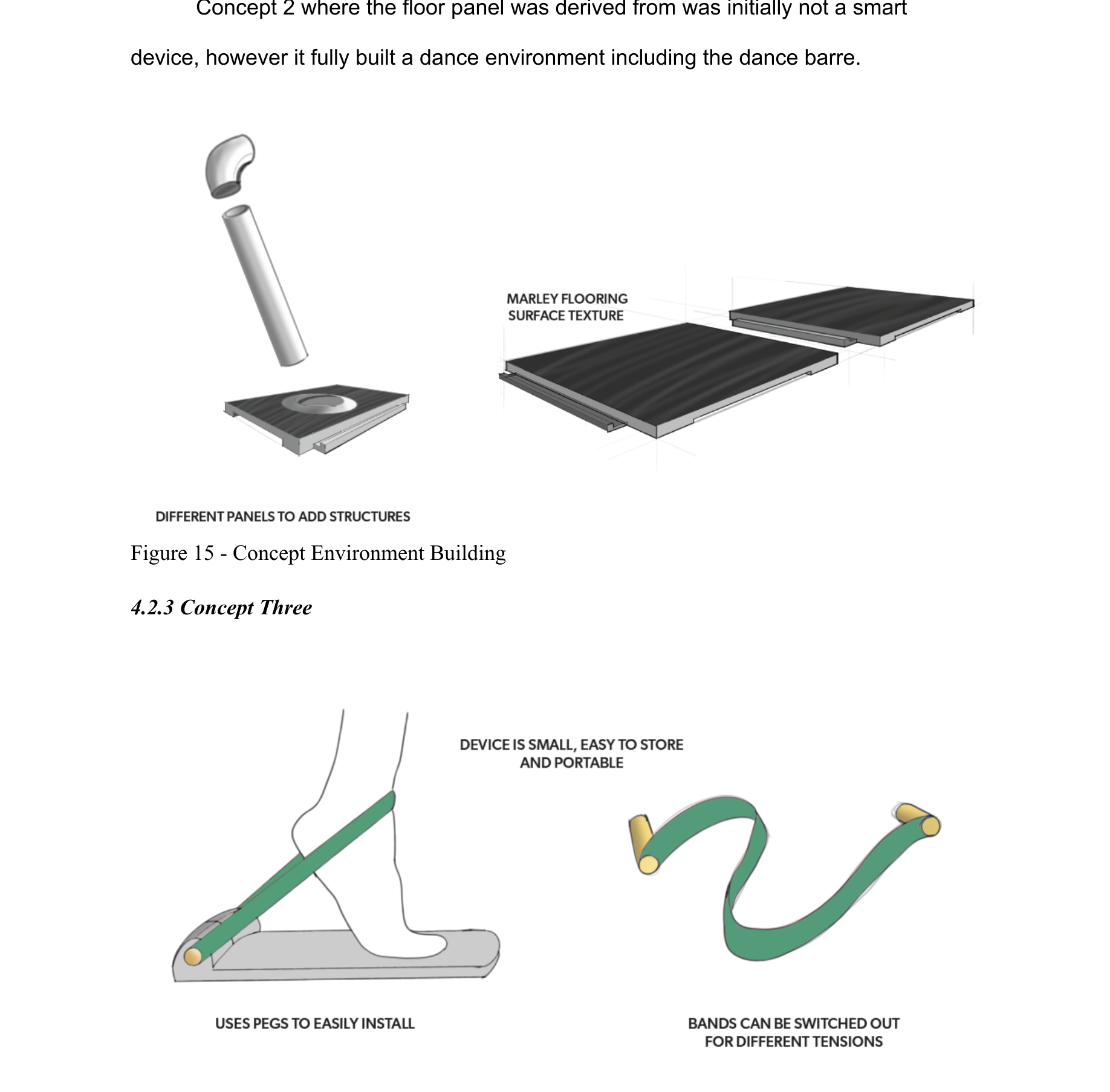
Concept exploration focused on the leggings, ankle exercise devices, and floor panels. The "Cutters Must" wearable and the modular floor panel system were iteratively refined. Early concepts included portable dance barres and basic ankle braces, eventually evolving into the integrated smart system.

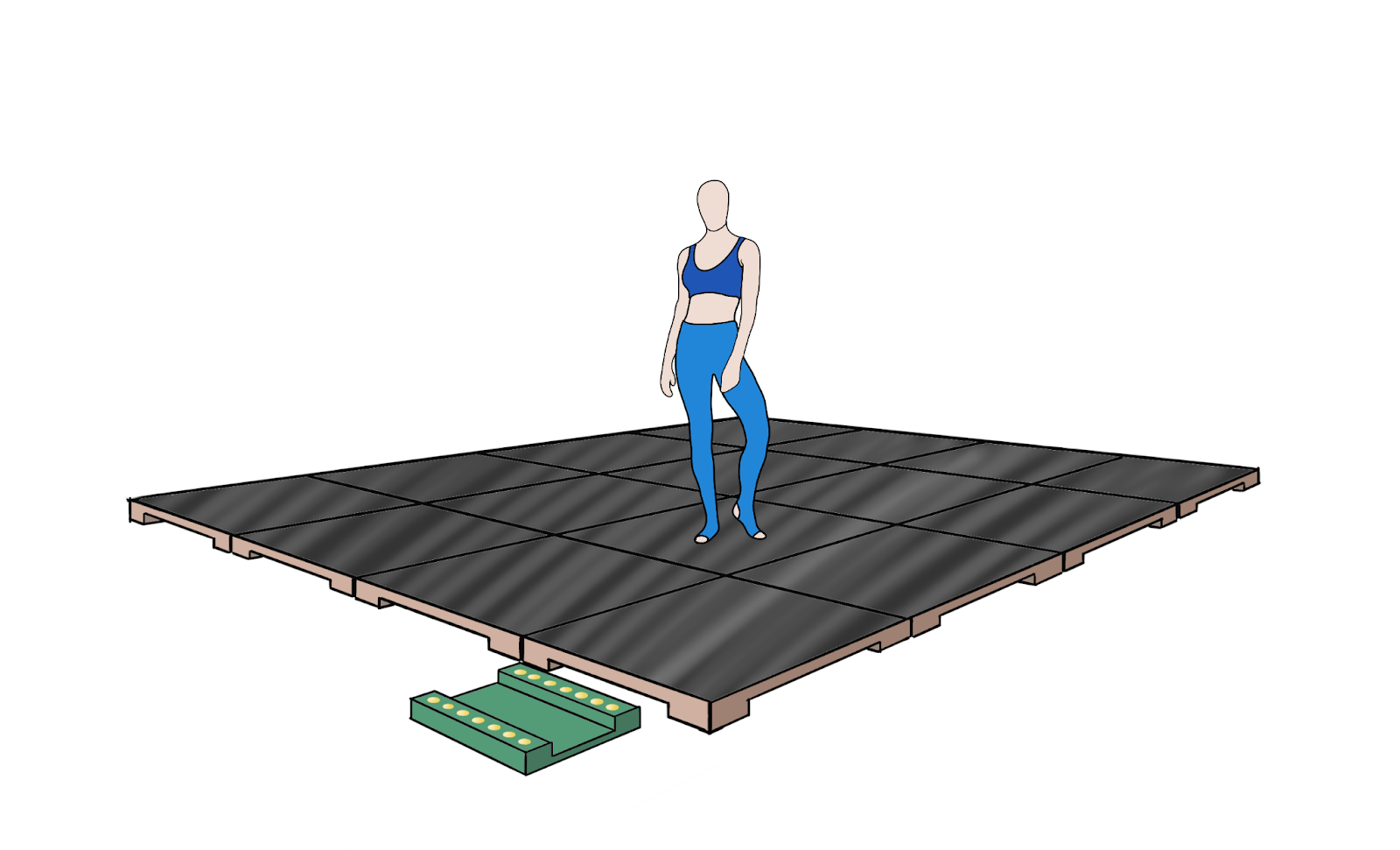
Full System Concept
Comprehensive concept illustrating the platform base and wearable leggings system.

The Solution

Wearable Feedback

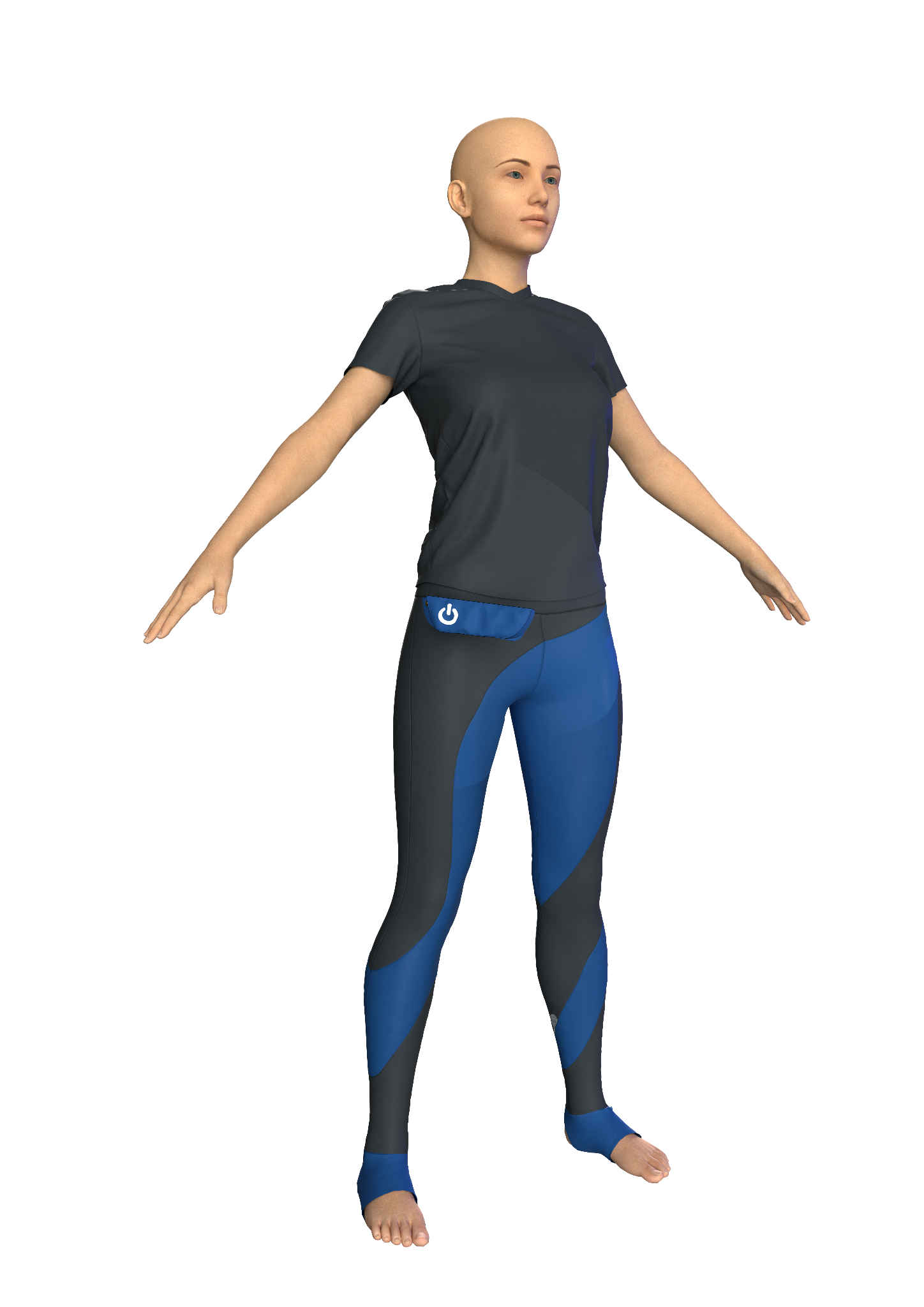
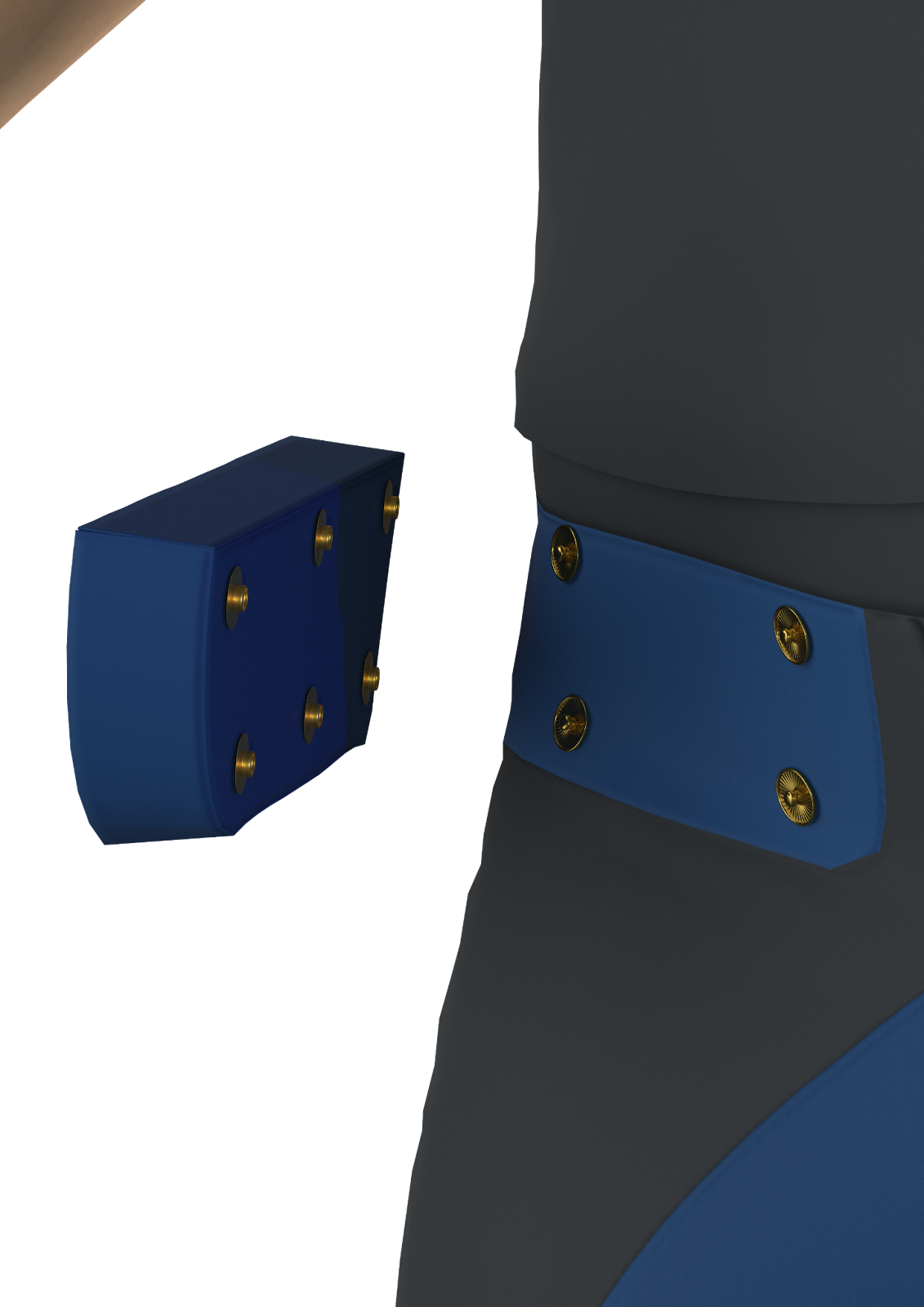
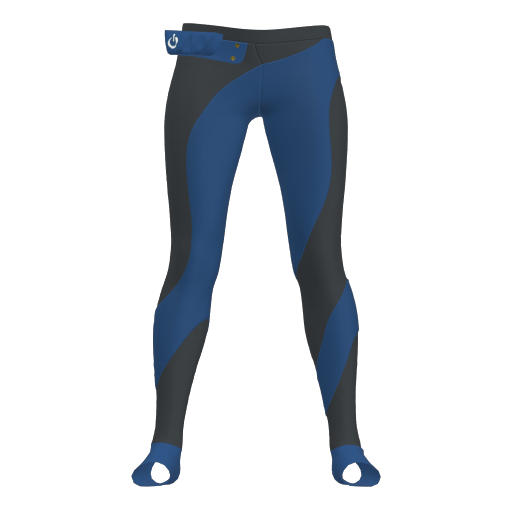
Smart leggings embedded with sensors track muscle engagement and alignment in real-time. This wearable technology provides haptic feedback to the dancer, correcting posture before injuries occur.

Wearable Feedback Detail
Smart sensors embedded in the fabric.

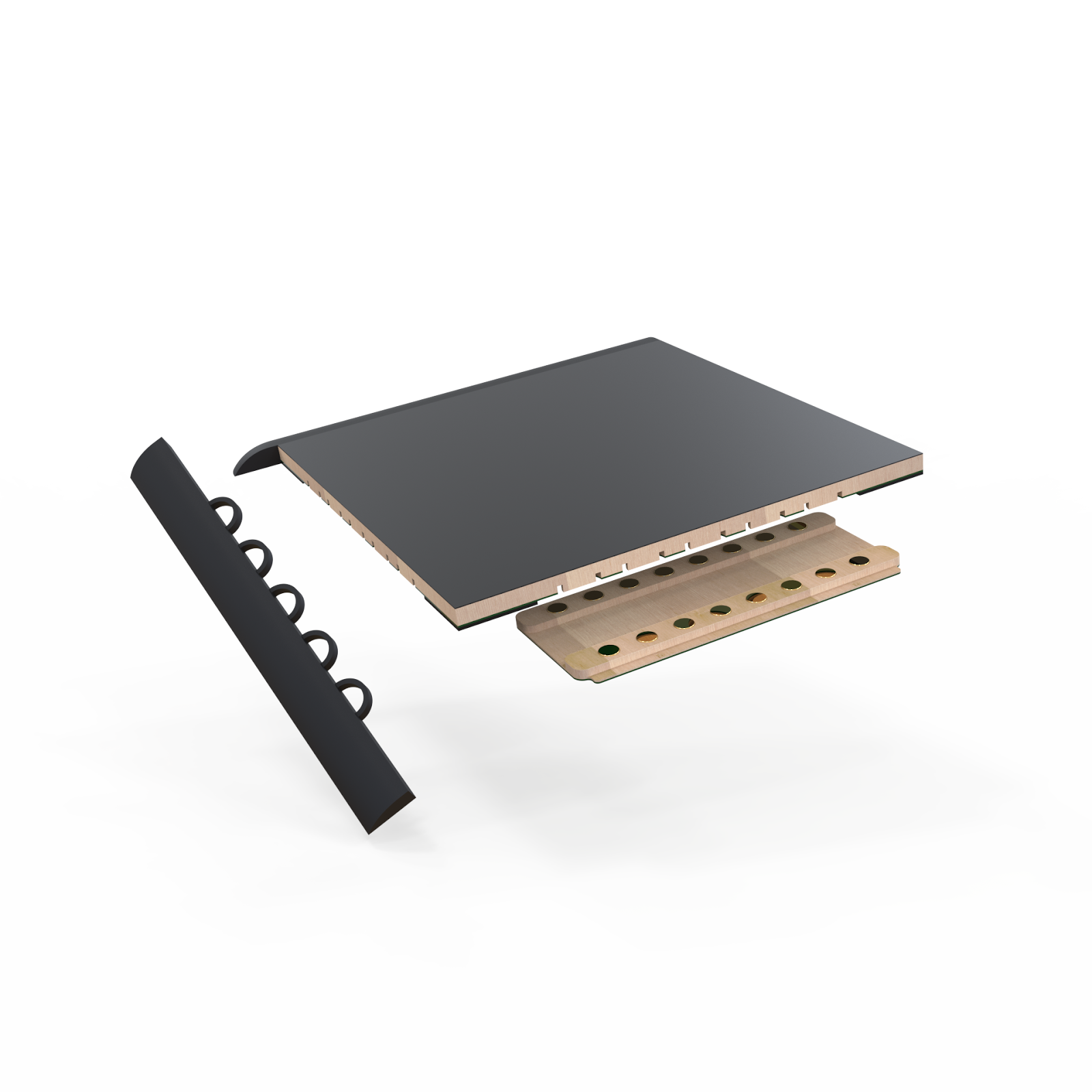
Smart Environment

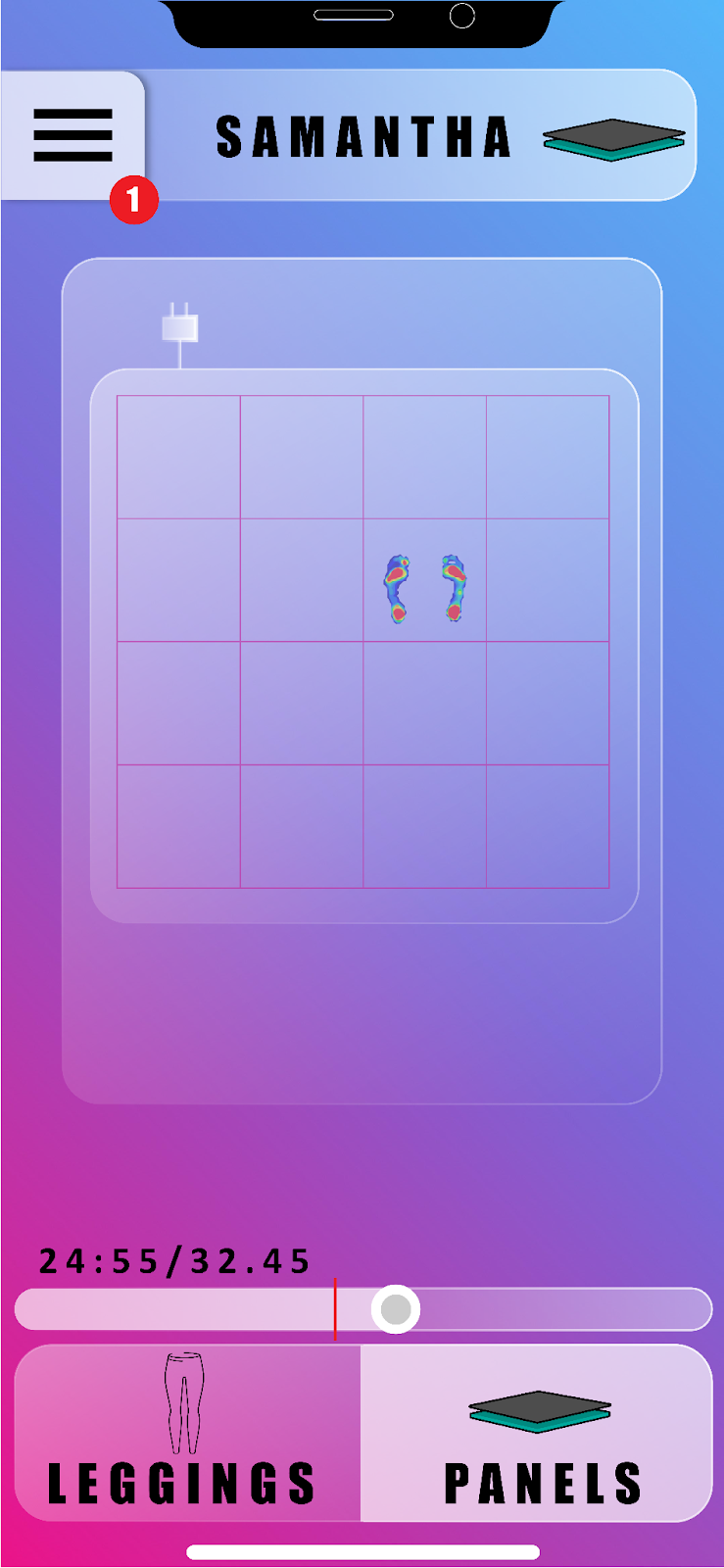
A companion floor panel system works in tandem with the wearables, offering visual cues and pressure sensing to ensure proper foot placement and weight distribution during practice.

Smart Environment Floor Panel
Modular floor panel system with pressure sensing.

App Interface

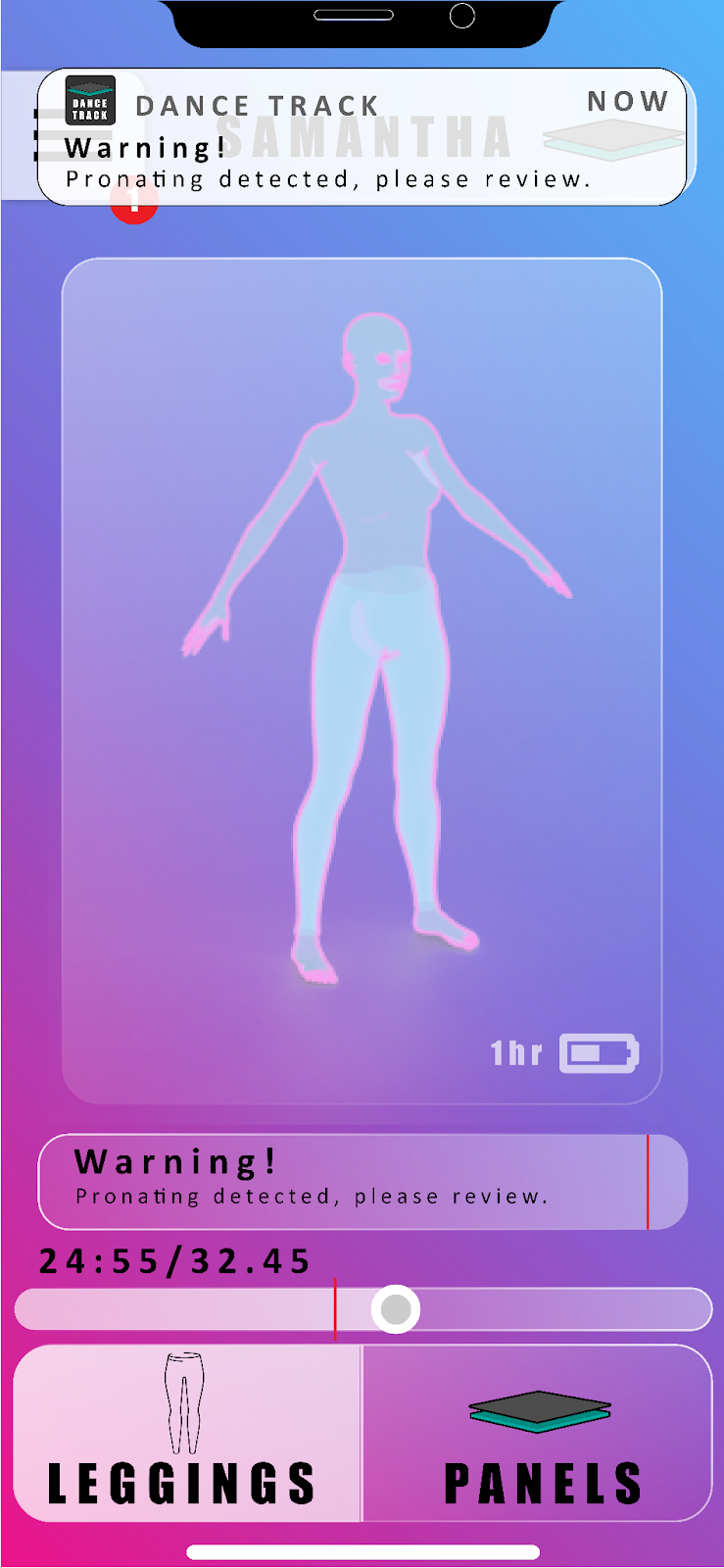
The integrated mobile application provides real-time data visualization for students and detailed progress tracking for teachers and therapists.

UI Dashboard
Real-time data visualization dashboard.
UI Analytics
Detailed analytics and progress tracking.

Design Process

Project Timeline

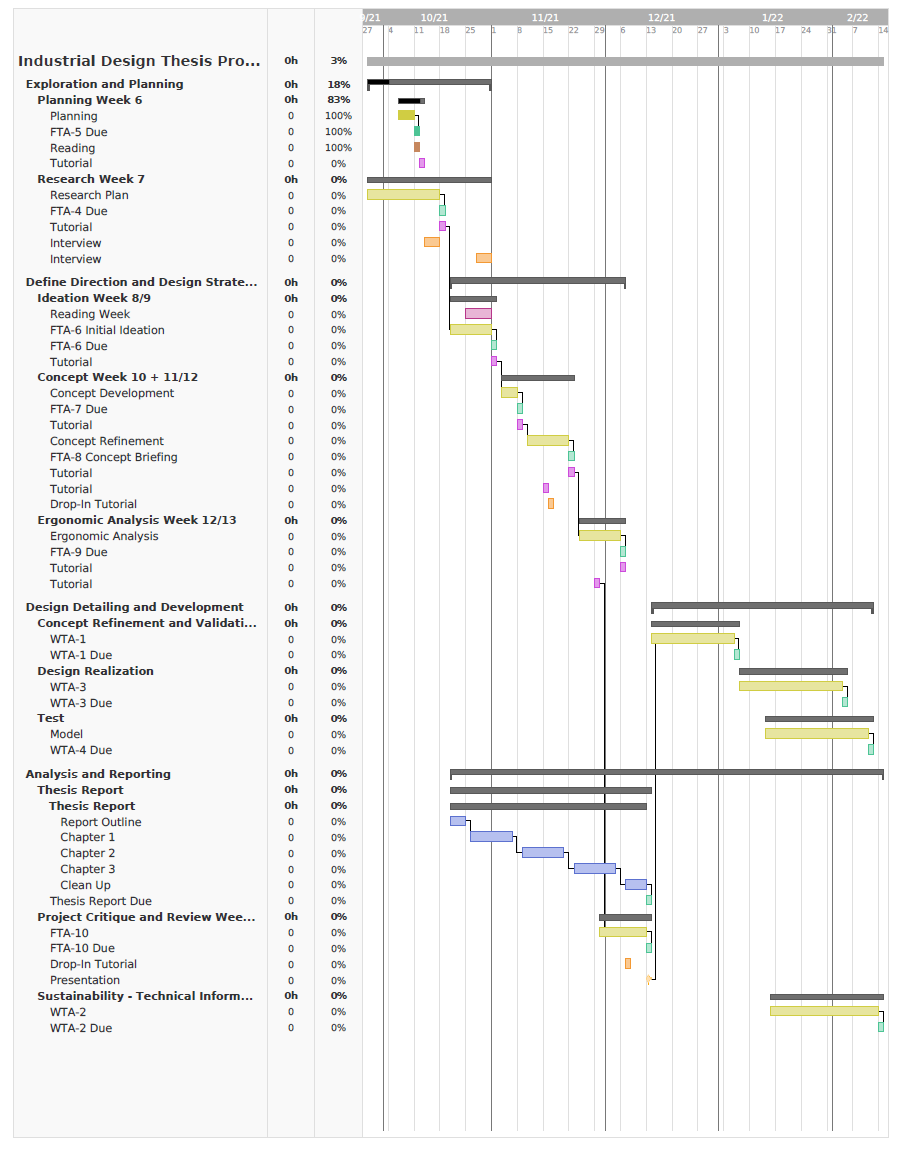
A 12-week timeline governed the research, ideation, and fabrications phases.

Project Timeline
12-week research and fabrication timeline.

1. Ergonomics & Human Factors

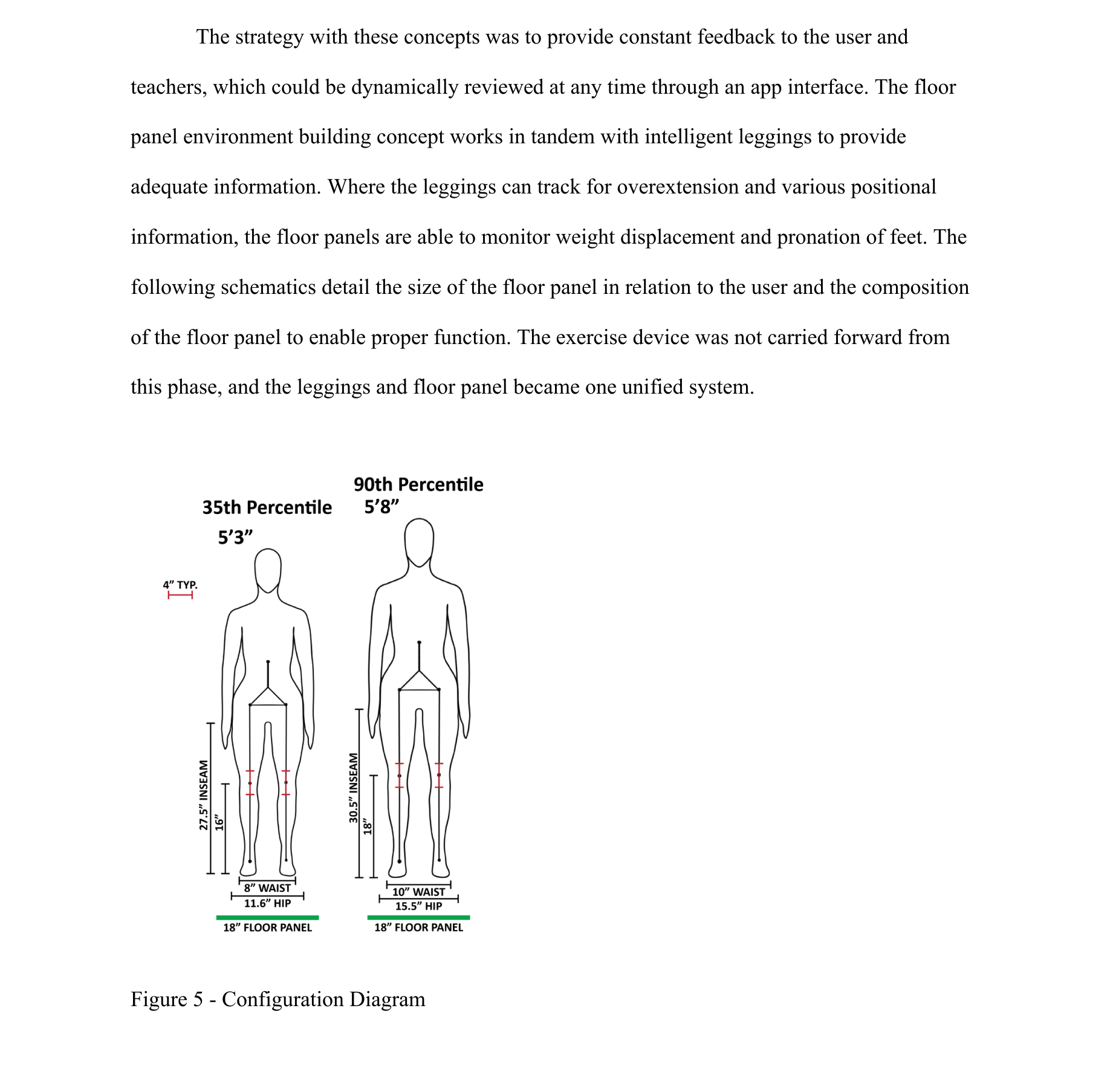
1:1 scale studies were conducted to ensure the wearables fit diverse body types without restricting movement. The placement of sensors was critical to capture accurate muscle data.

2. Analysis & Simulation

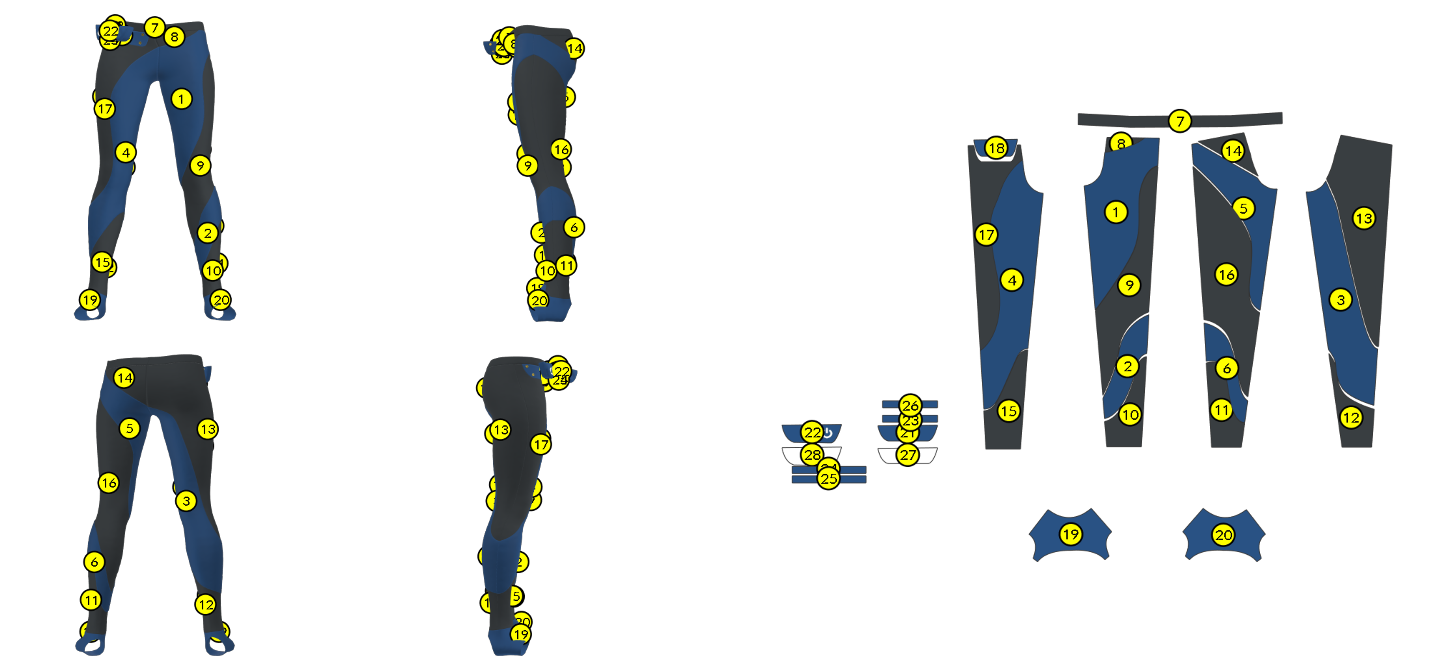
This project focused on conceptual research and formal development. Fusion360 was used for hard-surface modeling of the floor panels, while CLO3D was utilized to simulate the fabric physics and fit of the smart leggings.

Simulation Render
CLO3D simulation of the smart leggings fit.

3. Prototyping

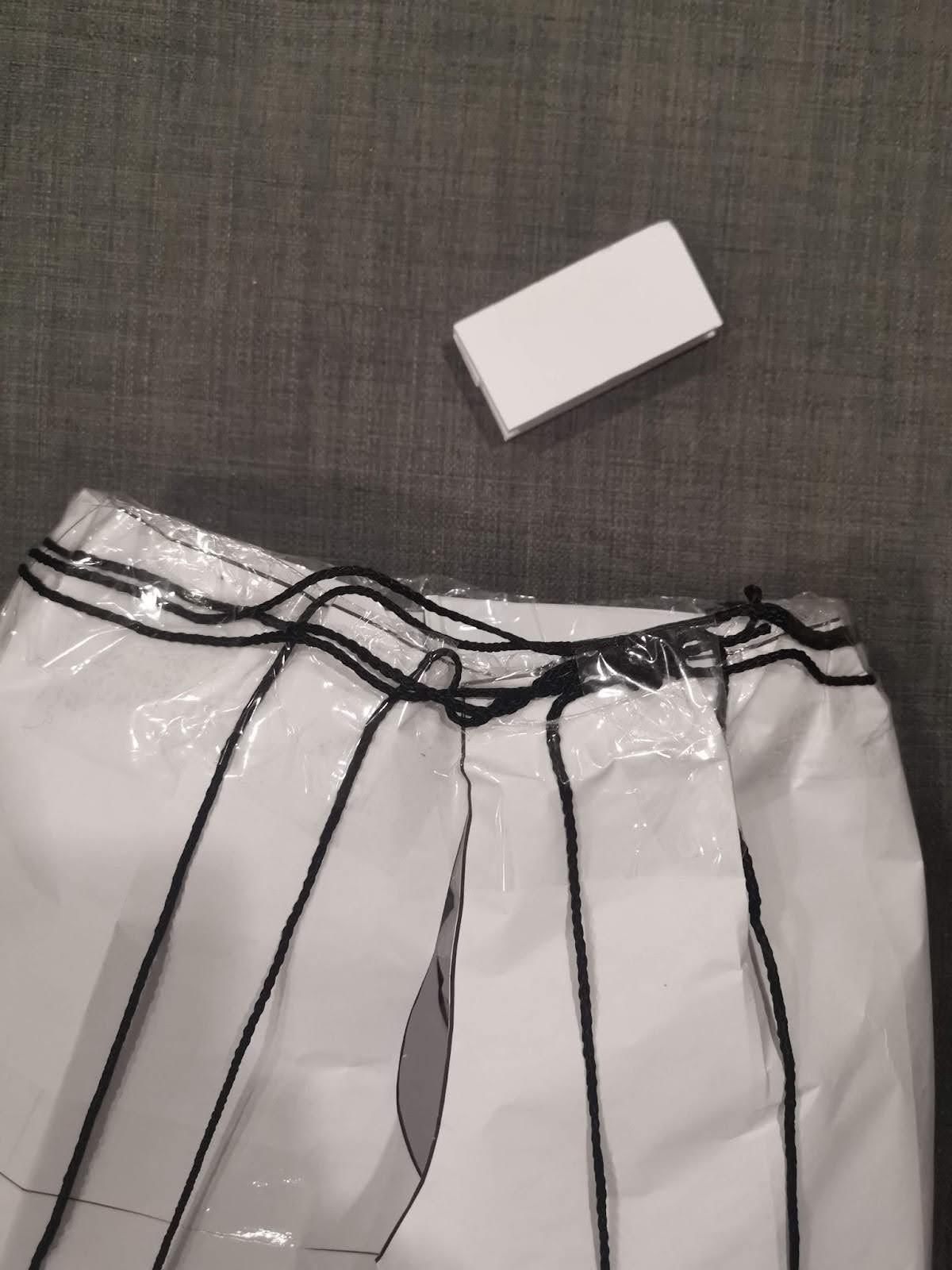
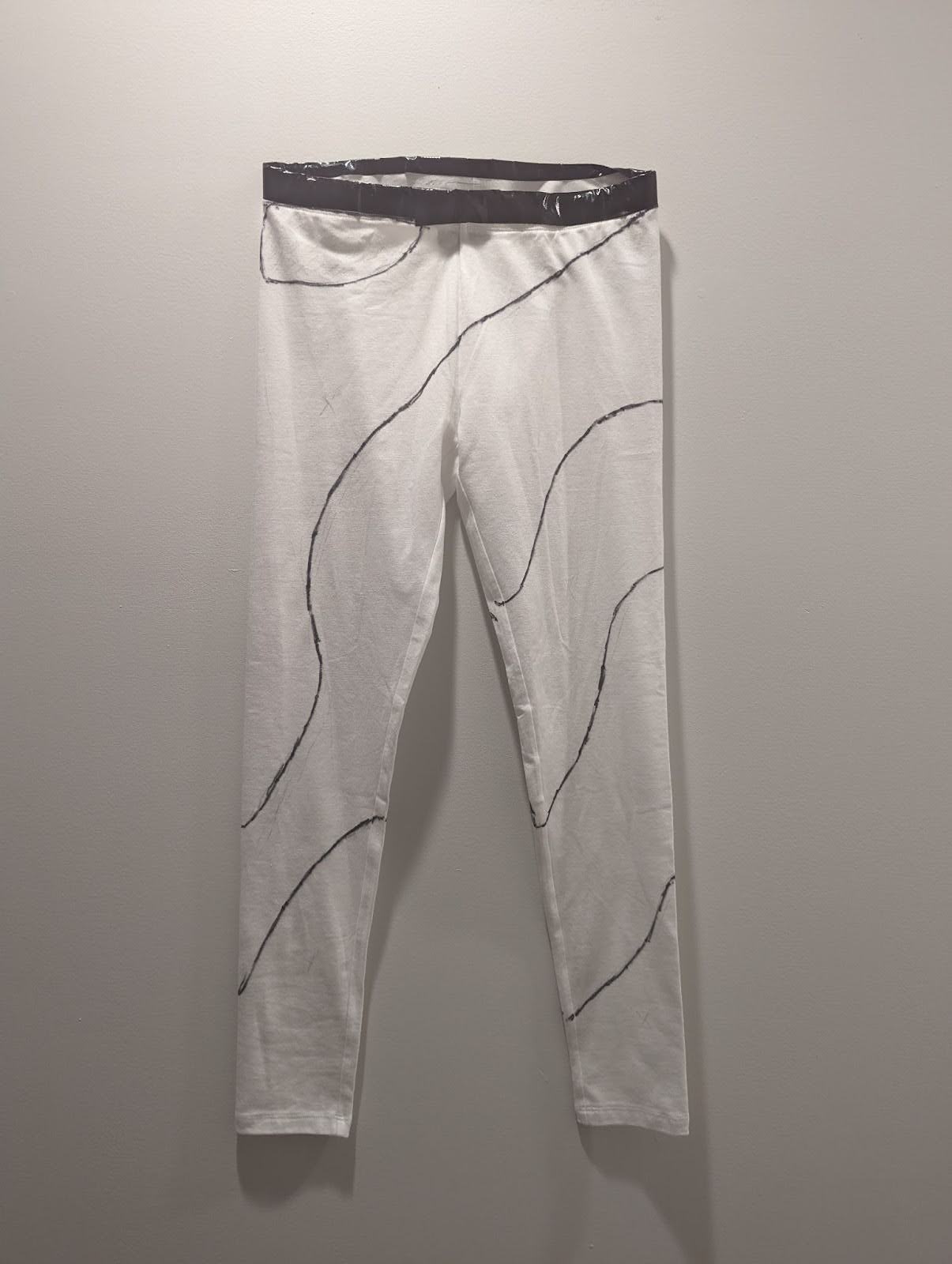
Physical study models were developed to test the ergonomics, modularity, and durability of the system. This project was a conceptual exploration of future dance education technology and did not involve functional electronics prototyping.

Prototype Iteration 3
Physical study model - Iteration 3.
Prototype Iteration 4
Physical study model - Iteration 4.

Physical Prototyping

Early form studies using foam core and paper to test scale and layout.

Prototype Layout
Layout of the physical prototype components.

Final Design

The final system consists of the "Cutters Must" wearable and the modular floor panel system.

Final Design Render
Final design of the "Cutters Must" wearable system.
Platform Base Render
High-fidelity render of the smart platform base.