INDUSTRIAL DESIGN THESIS · BIOFEEDBACK · WEARABLES

Augmented Dance Education

A system combining wearable technology and a smart environment to help prevent injury in young professional dancers through real-time motion tracking and sensor feedback.

PROJECT SPECIFICATIONS

Thesis Meta

  • Academic Context Bachelor of Industrial Design Graduation Thesis
  • Timeline & Scope 2 Semesters · Research, Ergonomics, Bio-mechanics & Soft Goods
  • Tooling & Modeling CLO3D, Fusion 360, Form Prototyping

01 // PROJECT OVERVIEW

Dance involves intense physical exertion. Research shows that 81% of dancers report injuries within their first year of learning, and 58% suffer a substantial injury affecting both performance and daily tasks.

This thesis proposes a solution to deter injury occurrence rates in young professional dancers through augmented education, combining wearable sensor arrays with a smart floor environment.

// CORE SYSTEM PILLARS

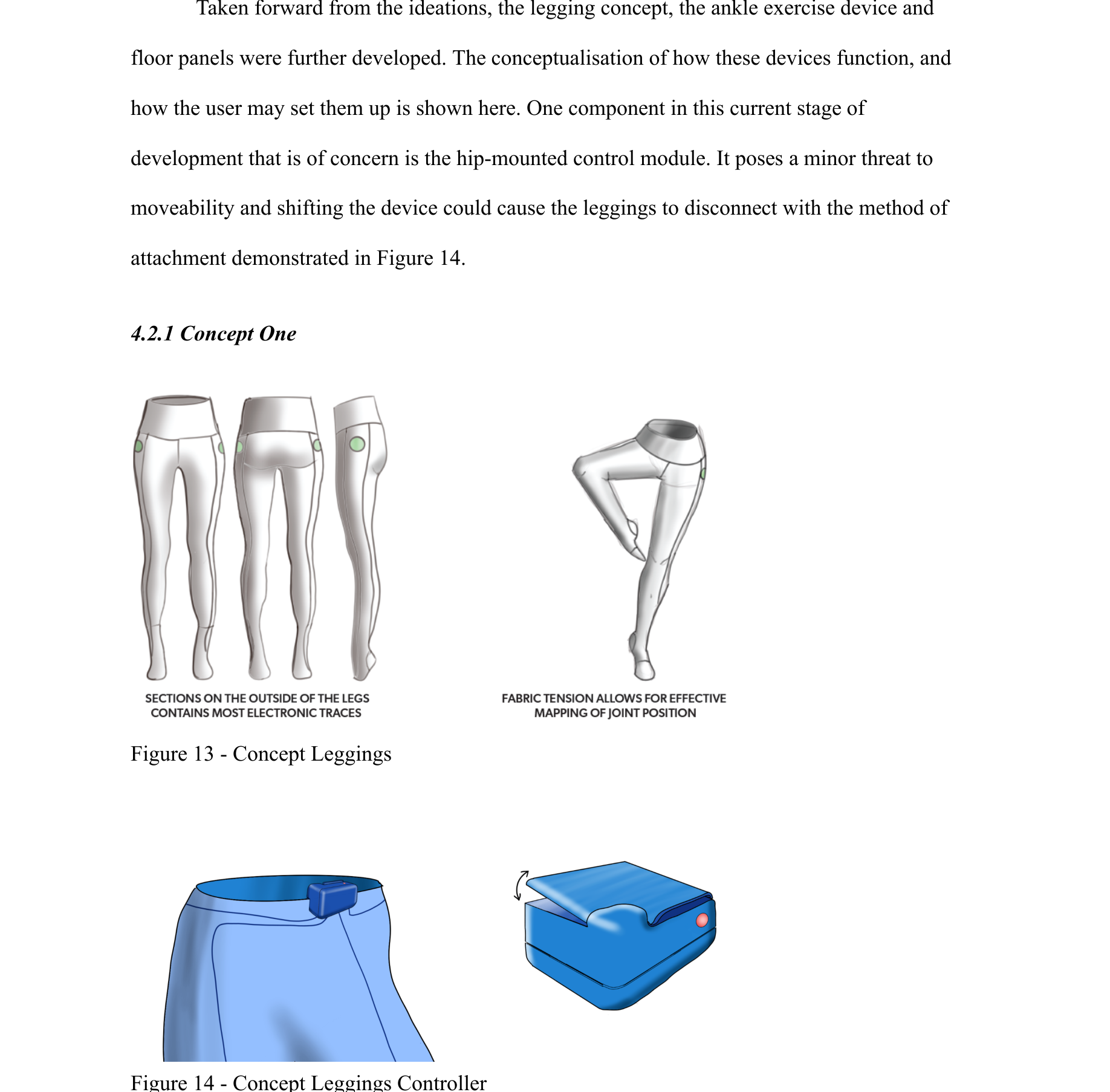
  • Wearable Haptic Feedback: Real-time alignment sensing embedded in compression garments.
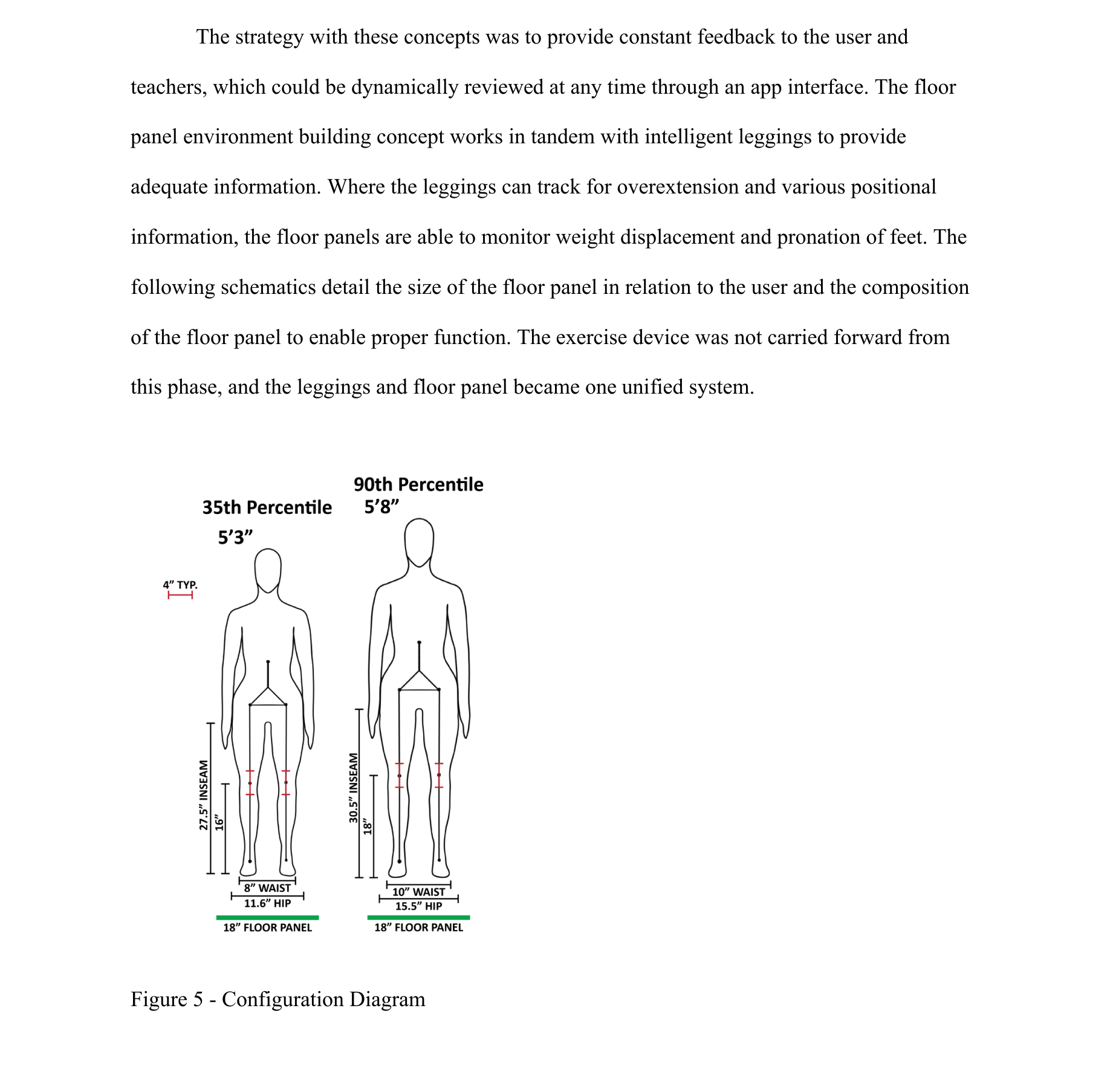
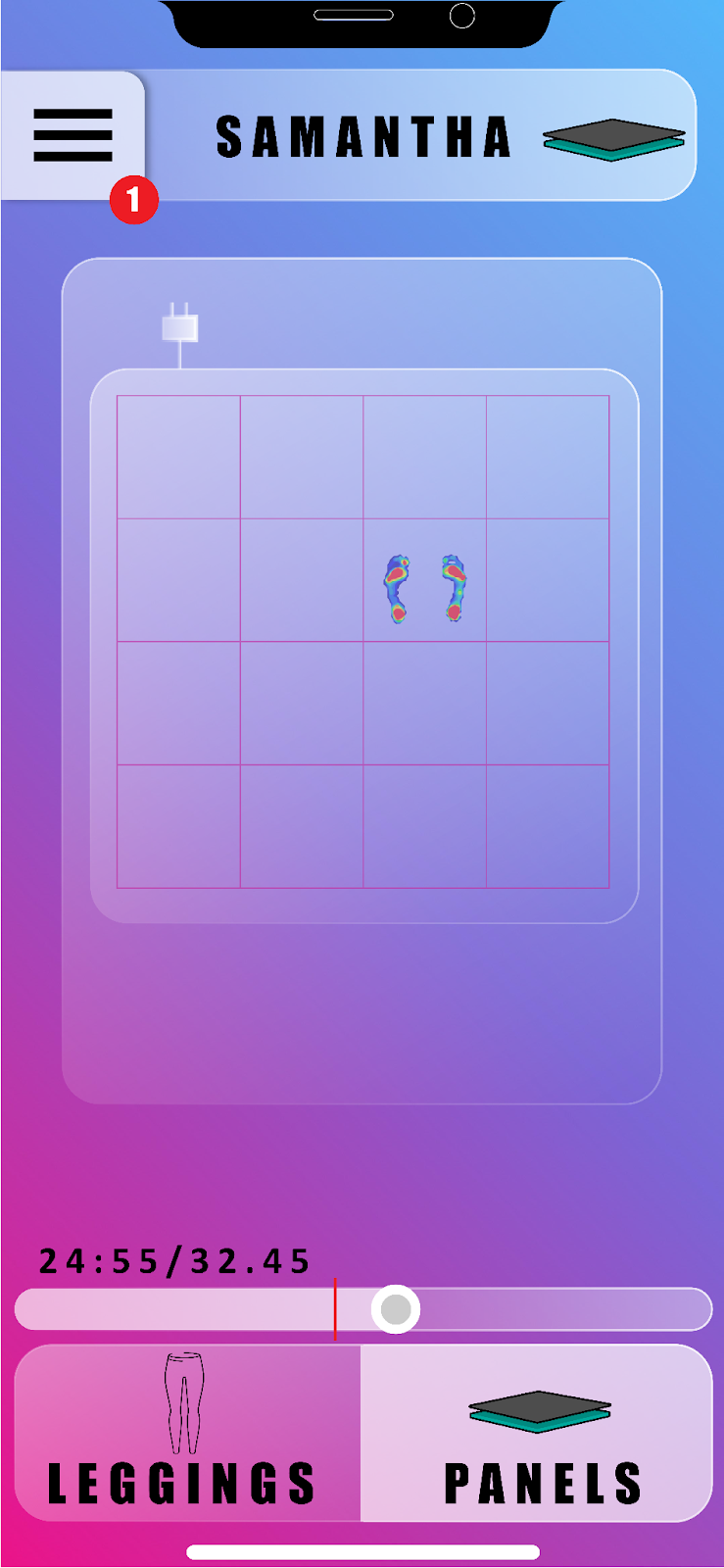
  • Spatial Ground Sensing: Modular floor grid measuring weight distribution and impact force.
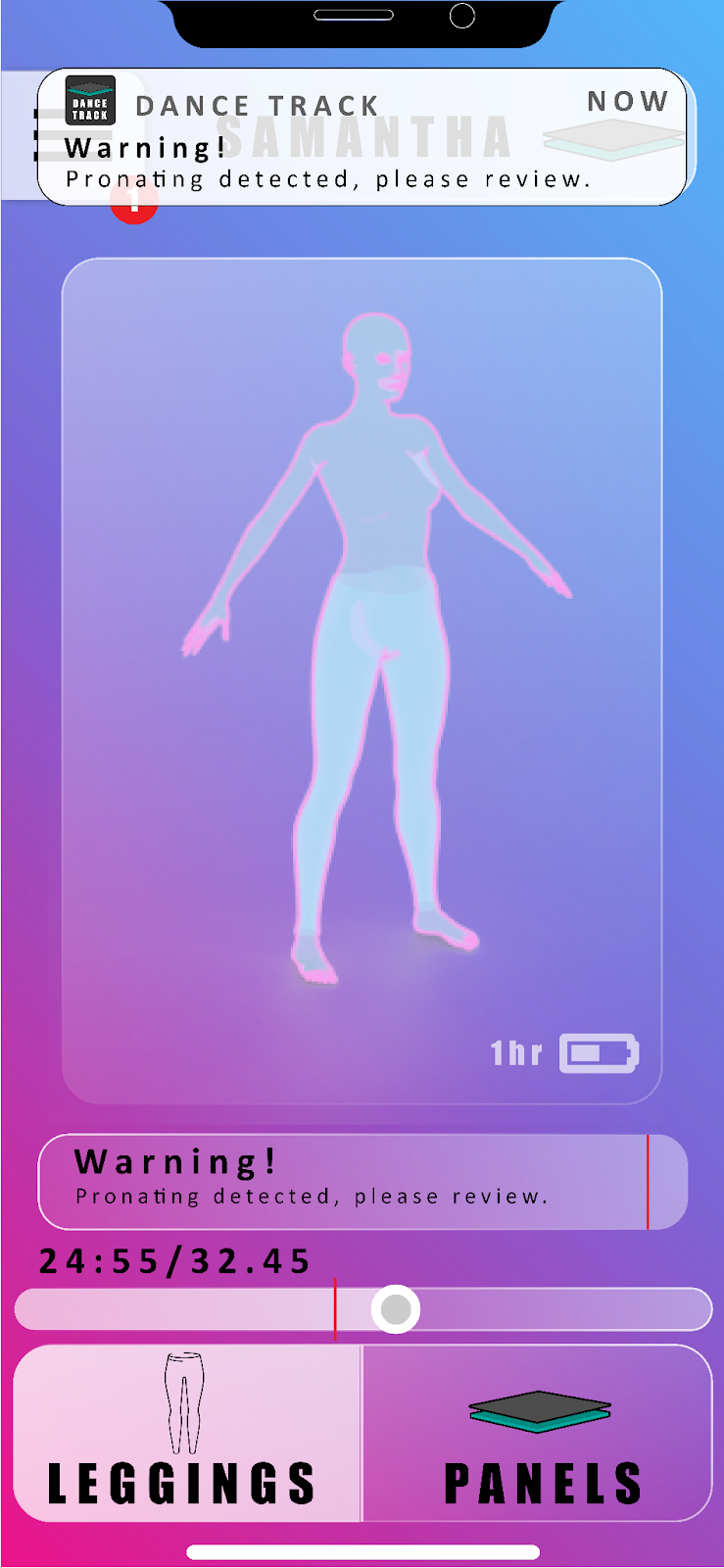
  • Live Motion Dashboard: App interface for students, teachers, and physiotherapists.
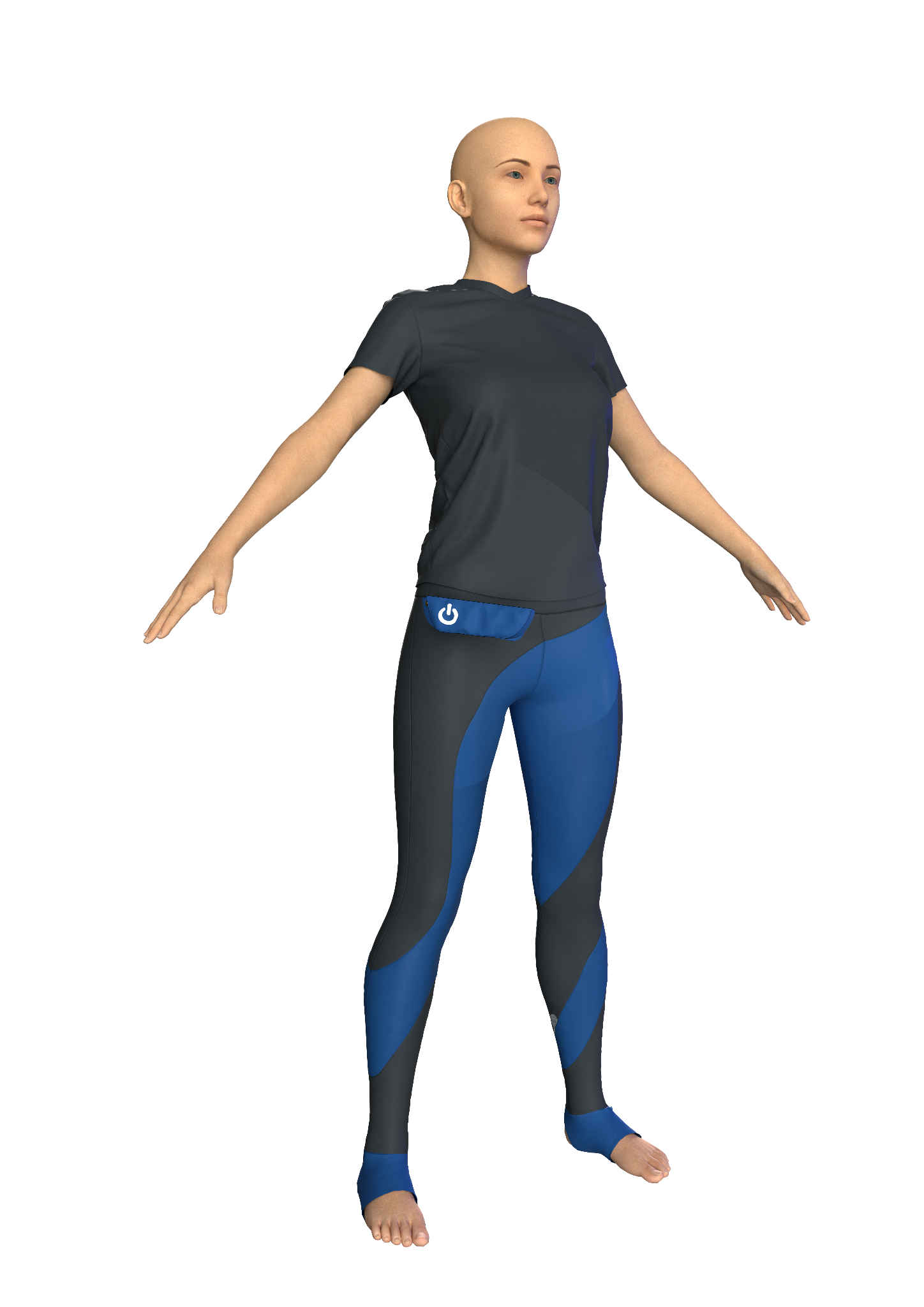
Thesis Project Hero Shot
Conceptual visualization of the Augmented Dance Education system.

02 // RESEARCH & PROBLEM DEFINITION

Injury Prevalence in Dance

Repetitive impact, extreme joint articulation, and early career specialization cause overuse injuries to account for over 60% of all dance medical absences.

Feedback Deficit in Solo Practice

Students spend hours training outside supervised studio hours without direct postural feedback, inadvertently reinforcing improper biomechanics and alignment flaws.

03 // USER ECOSYSTEM & CONSTRAINTS

Primary User: The Student

Dancers aged 15–18 at peak injury risk pushing physical limits between recreational learning and pre-professional performance.

Secondary User: The Teacher

Instructors requiring multi-student tracking to monitor alignment simultaneously in large group classes.

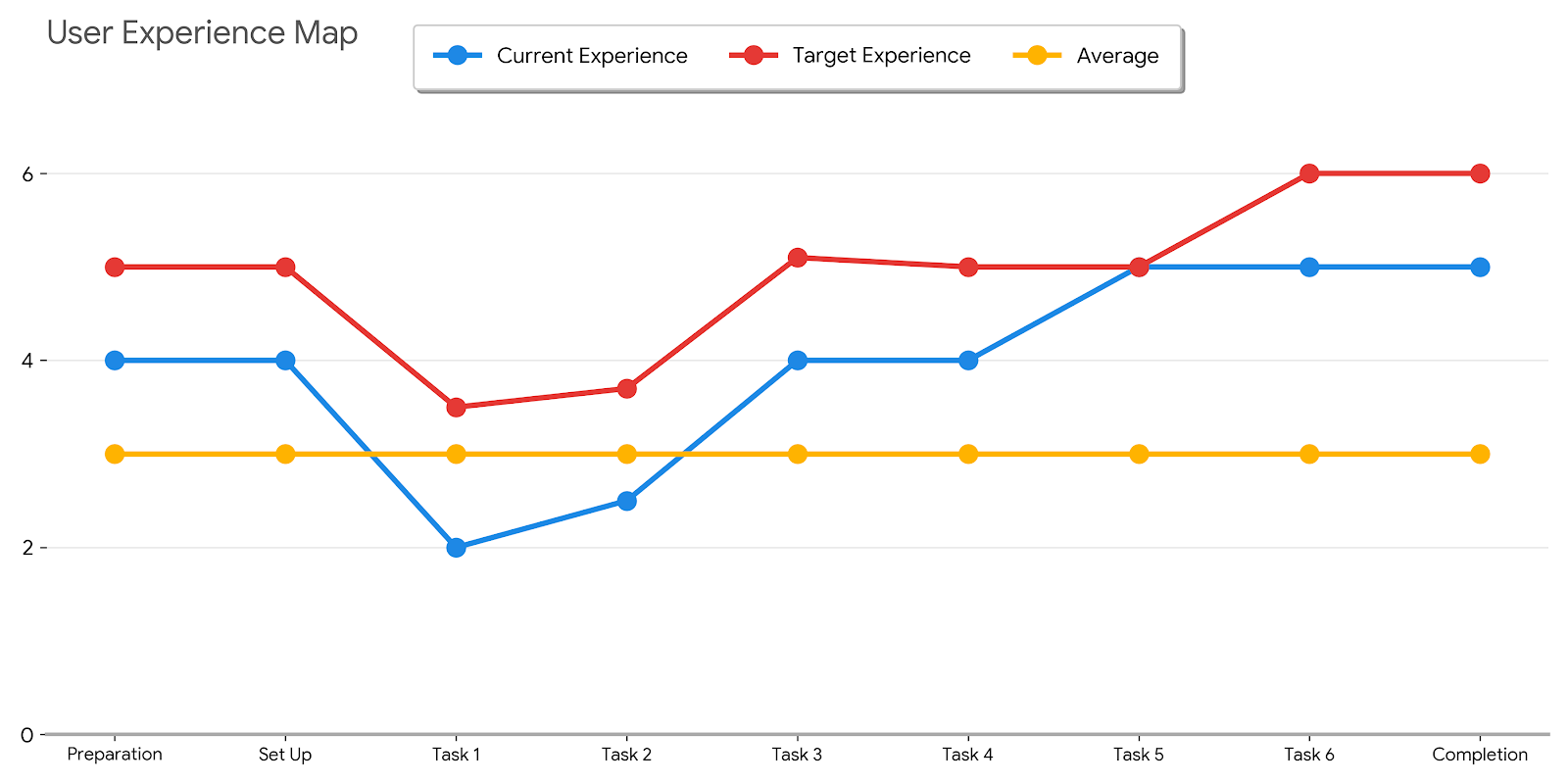
User Experience Mapping

User Experience Graph
Dancer's journey through a typical practice session.

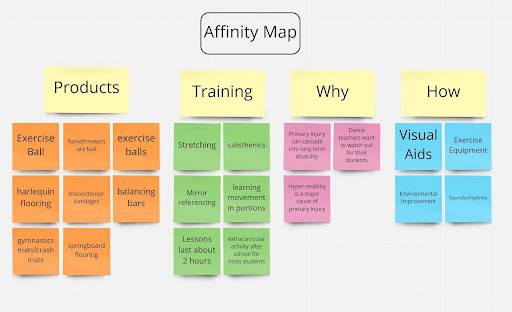
04 // AFFINITY MAPPING & ANALYSIS

Synthesizing research data into themes to identify key areas for mechanical and sensor intervention.

Affinity Map
Affinity map categorizing insights from research.

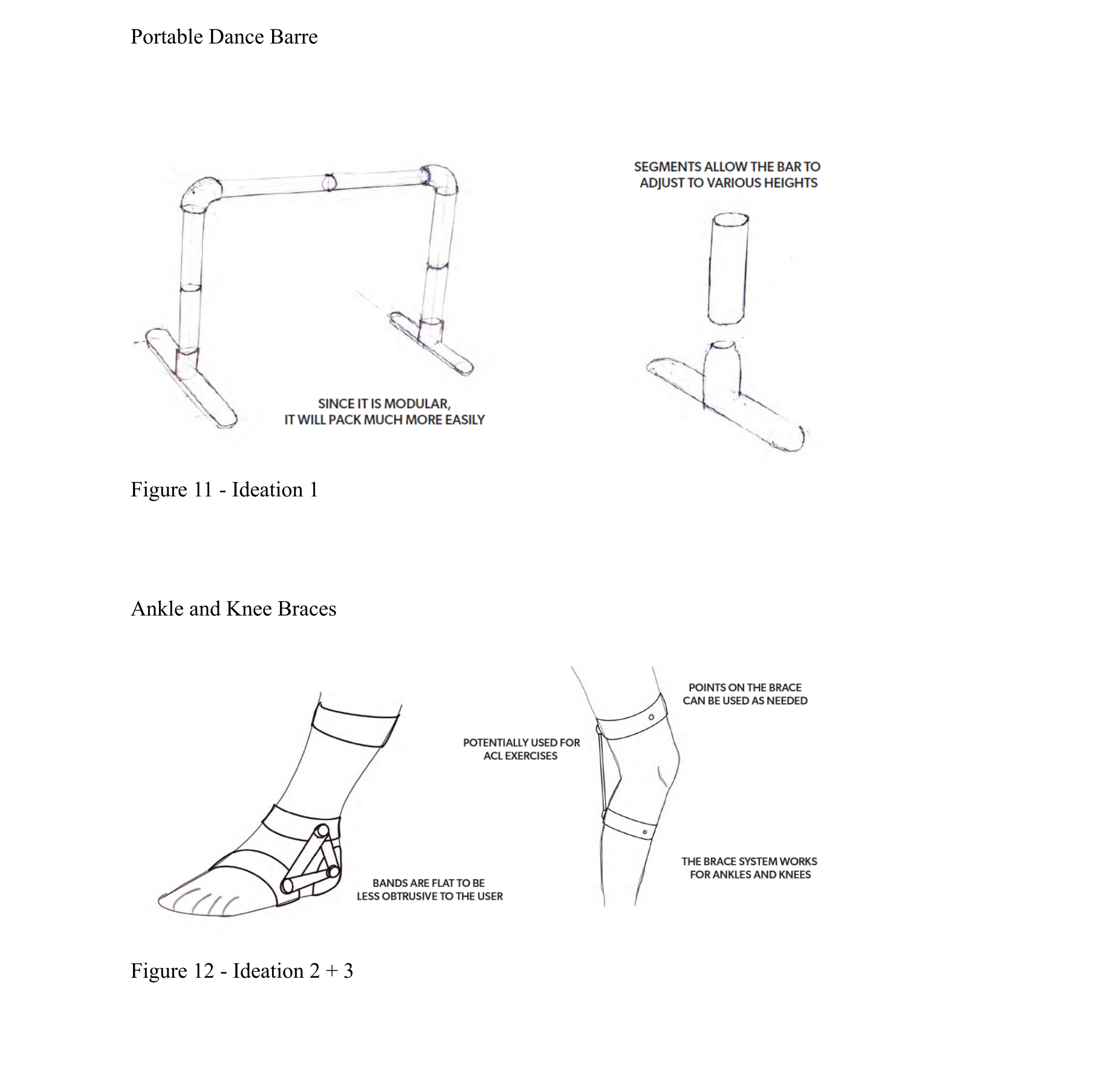
05 // IDEATION & PHYSICAL CONCEPTS

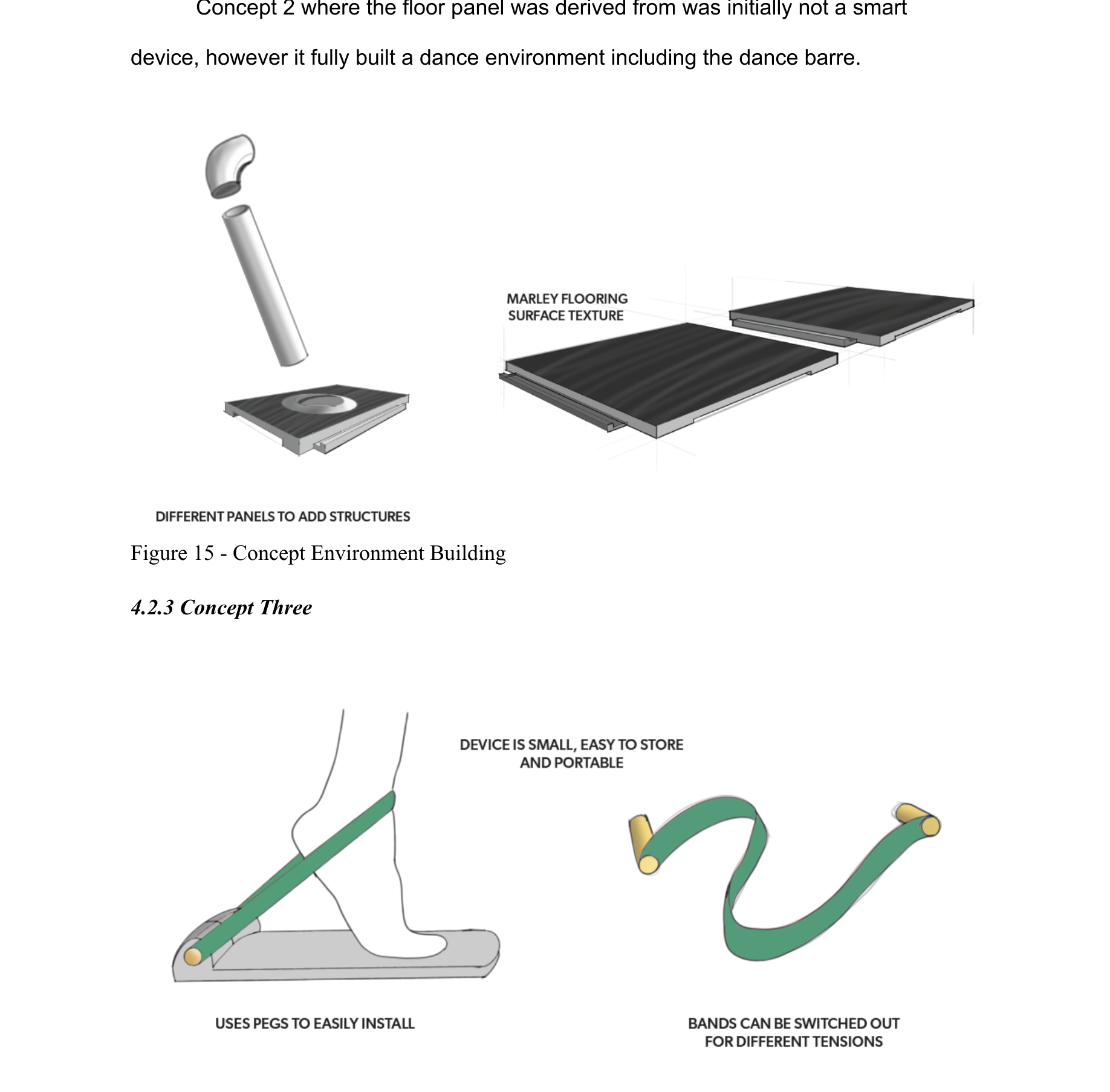
Concept exploration focused on the leggings, ankle exercise devices, and floor panels.

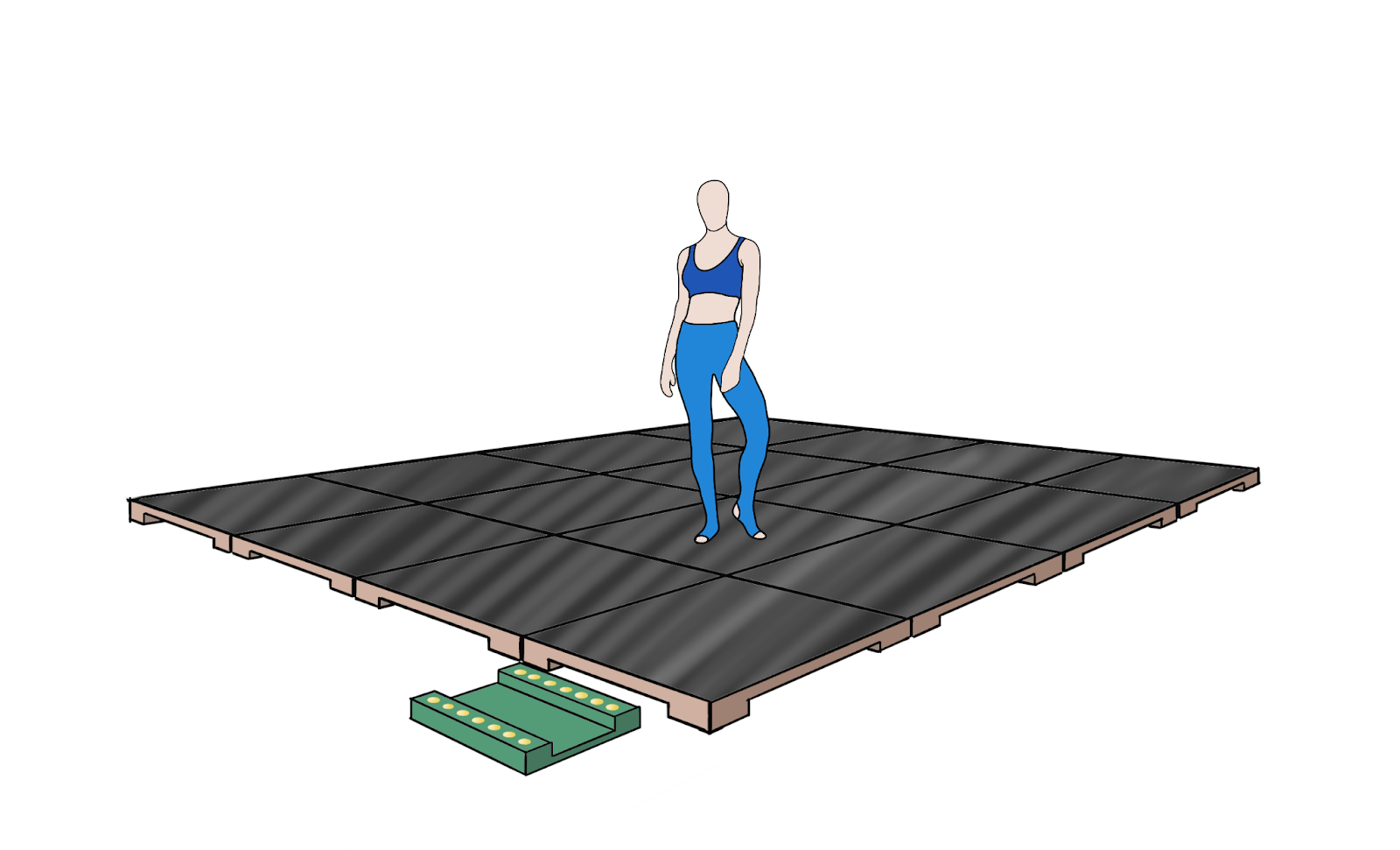
Full System Concept
Comprehensive concept illustrating the platform base and wearable leggings system.

06 // THE AUGMENTED SOLUTION

Wearable Sensor Feedback

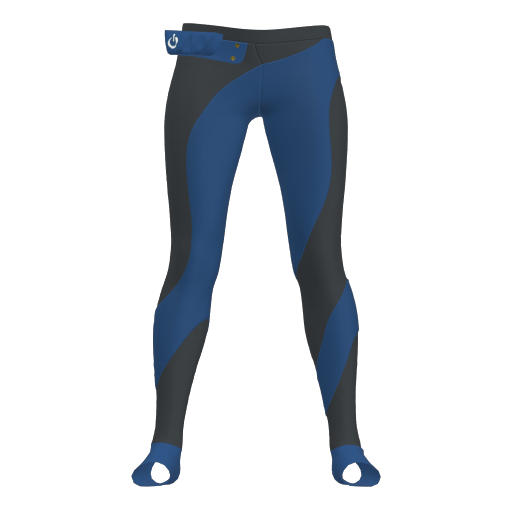
Smart leggings embedded with flexible strain sensors track muscle engagement and joint alignment in real-time, delivering targeted haptic cues.

Wearable Feedback Detail
Smart sensors embedded in the fabric.

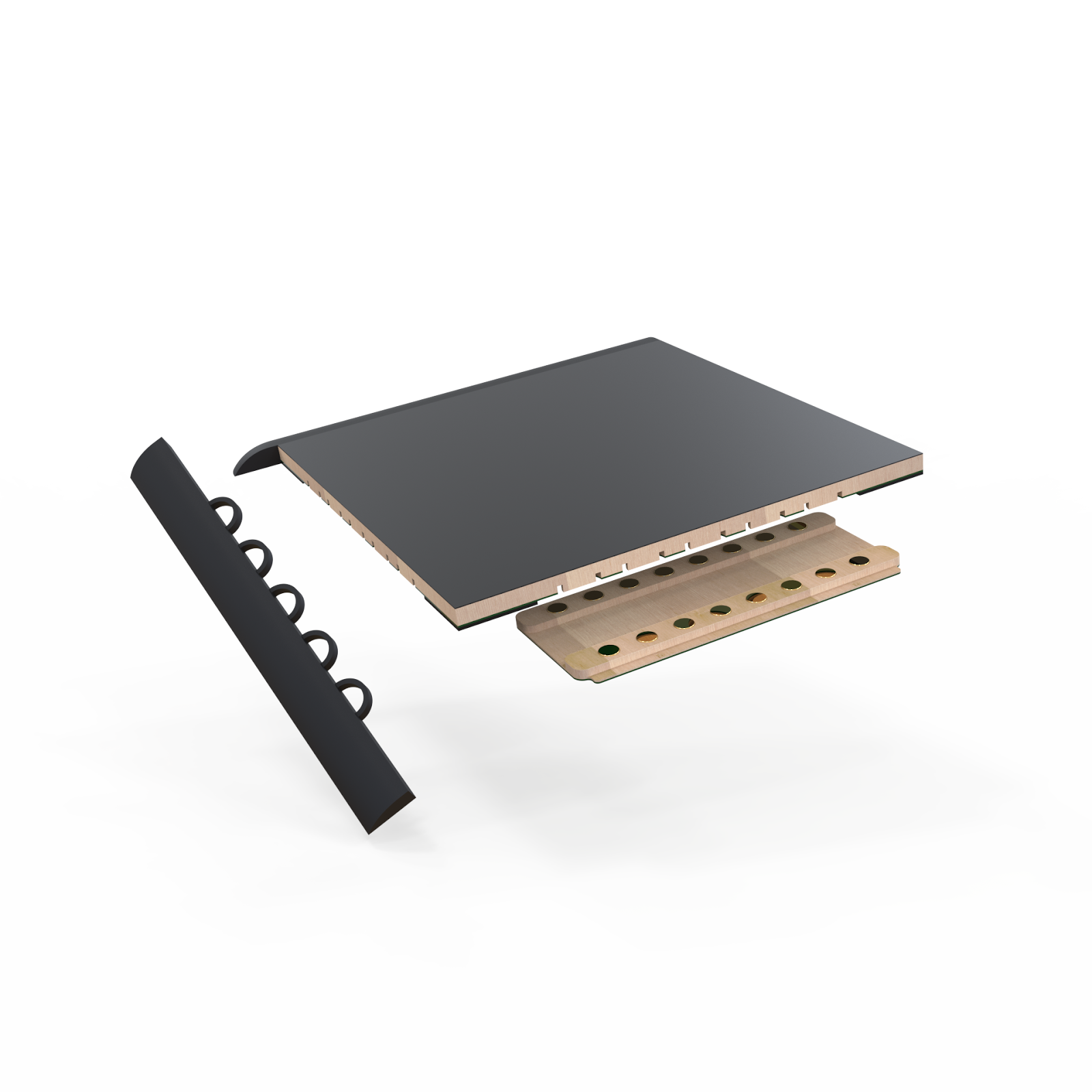
Smart Environment Platform

Modular floor panel system with embedded pressure arrays providing visual grounding cues and measuring weight distribution.

Smart Environment Floor Panel
Modular floor panel system with pressure sensing.

Mobile Application Interface

UI Dashboard
Real-time data visualization dashboard.
UI Analytics
Detailed analytics and progress tracking.

07 // DESIGN PROCESS & PROTOTYPING

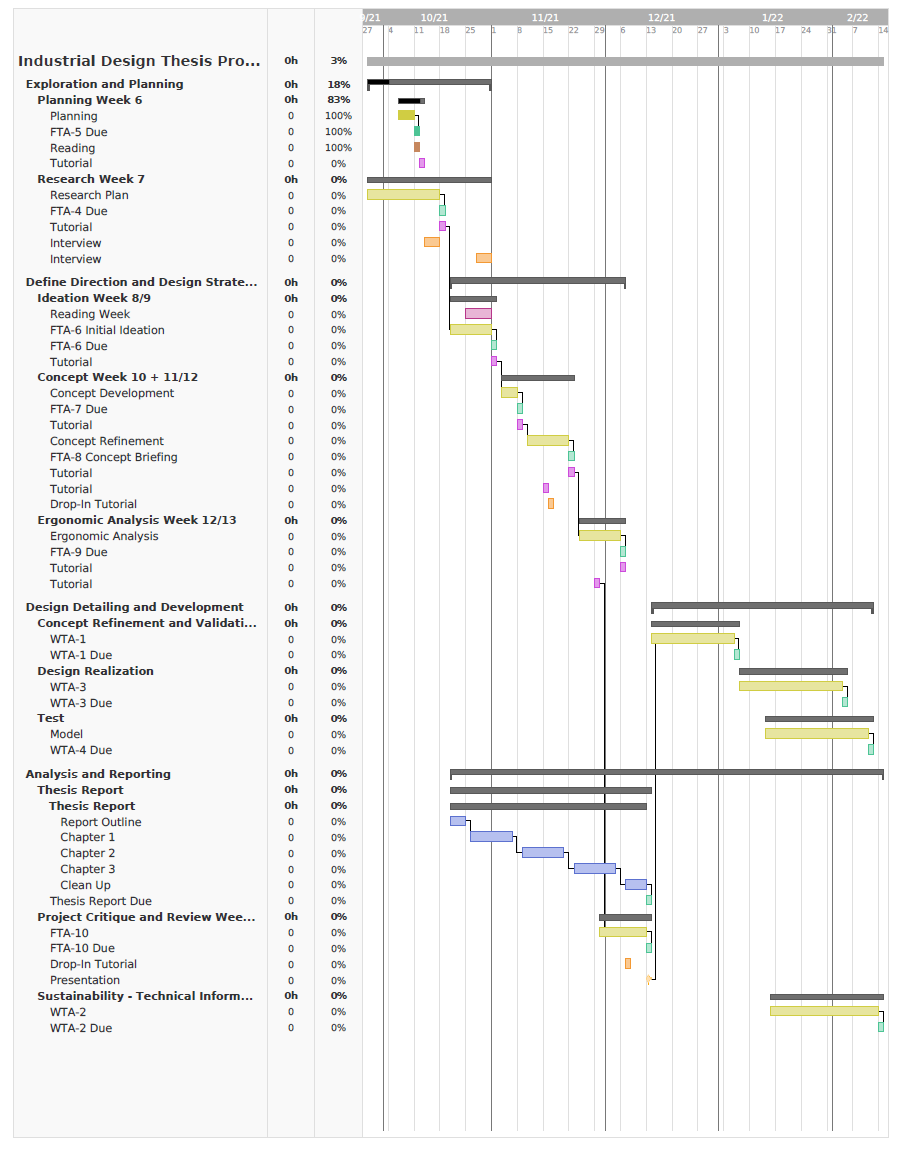
Project Timeline
12-week research and fabrication timeline.

Ergonomics & 3D Modeling

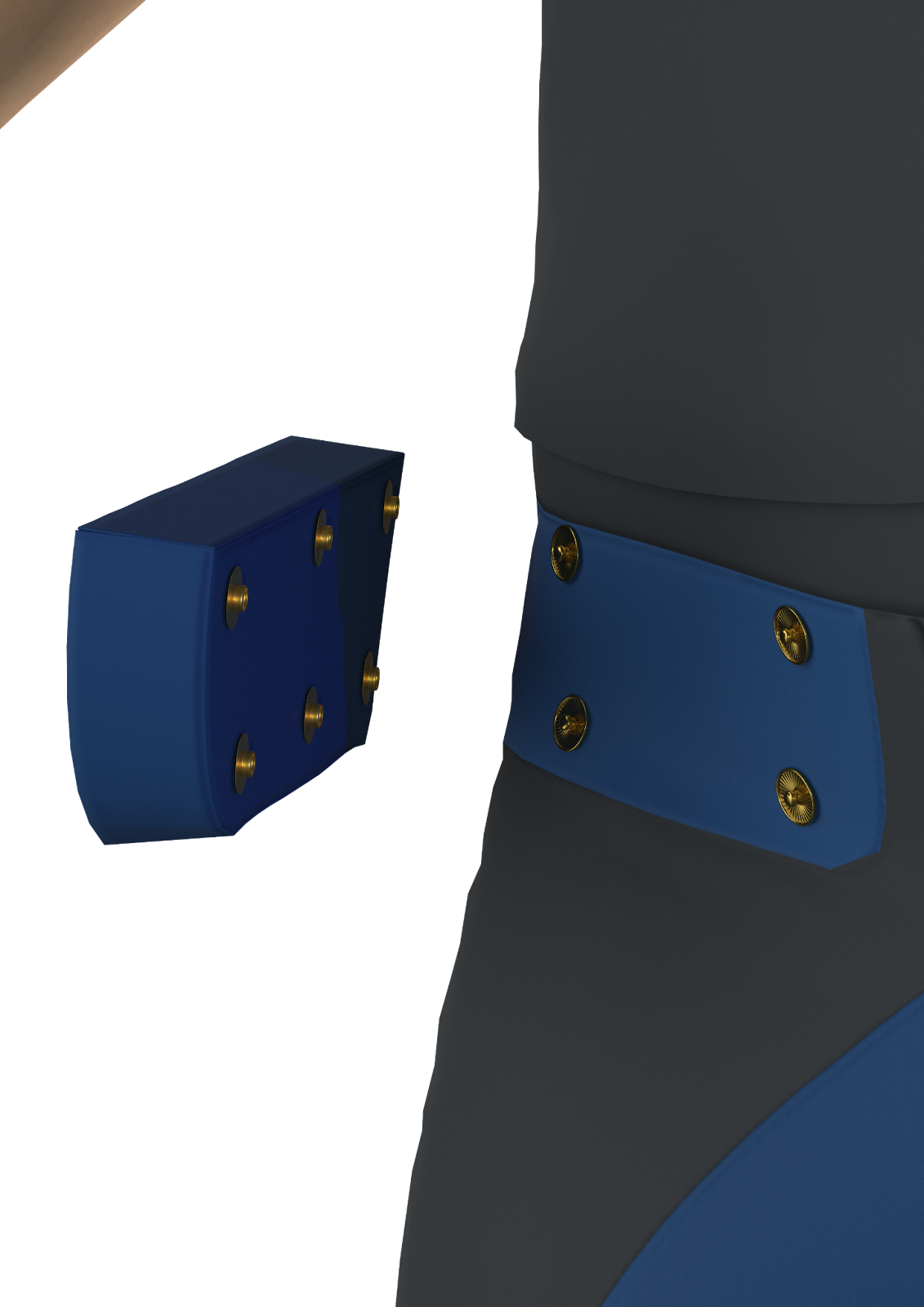
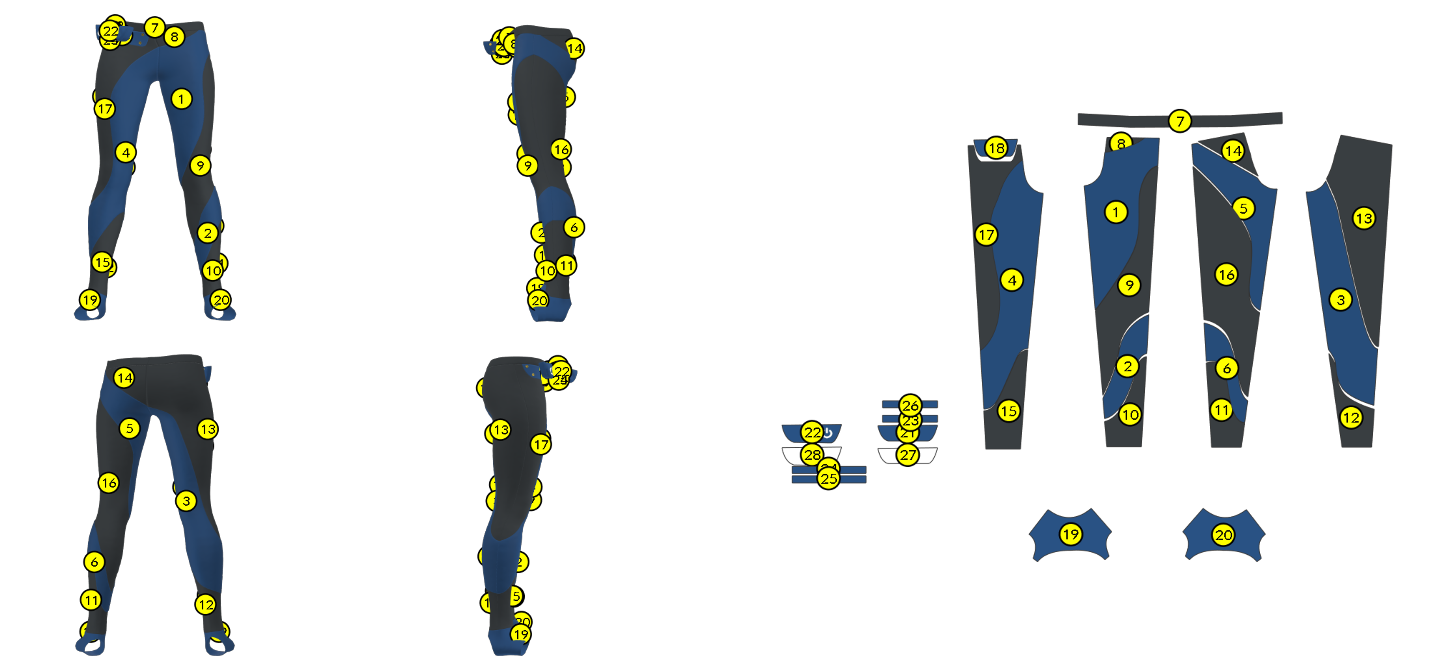
Fusion 360 was used for hard-surface chassis modeling, while CLO3D simulated fabric physics and dynamic tension across dancer joints.

Simulation Render
CLO3D simulation of smart leggings fit.

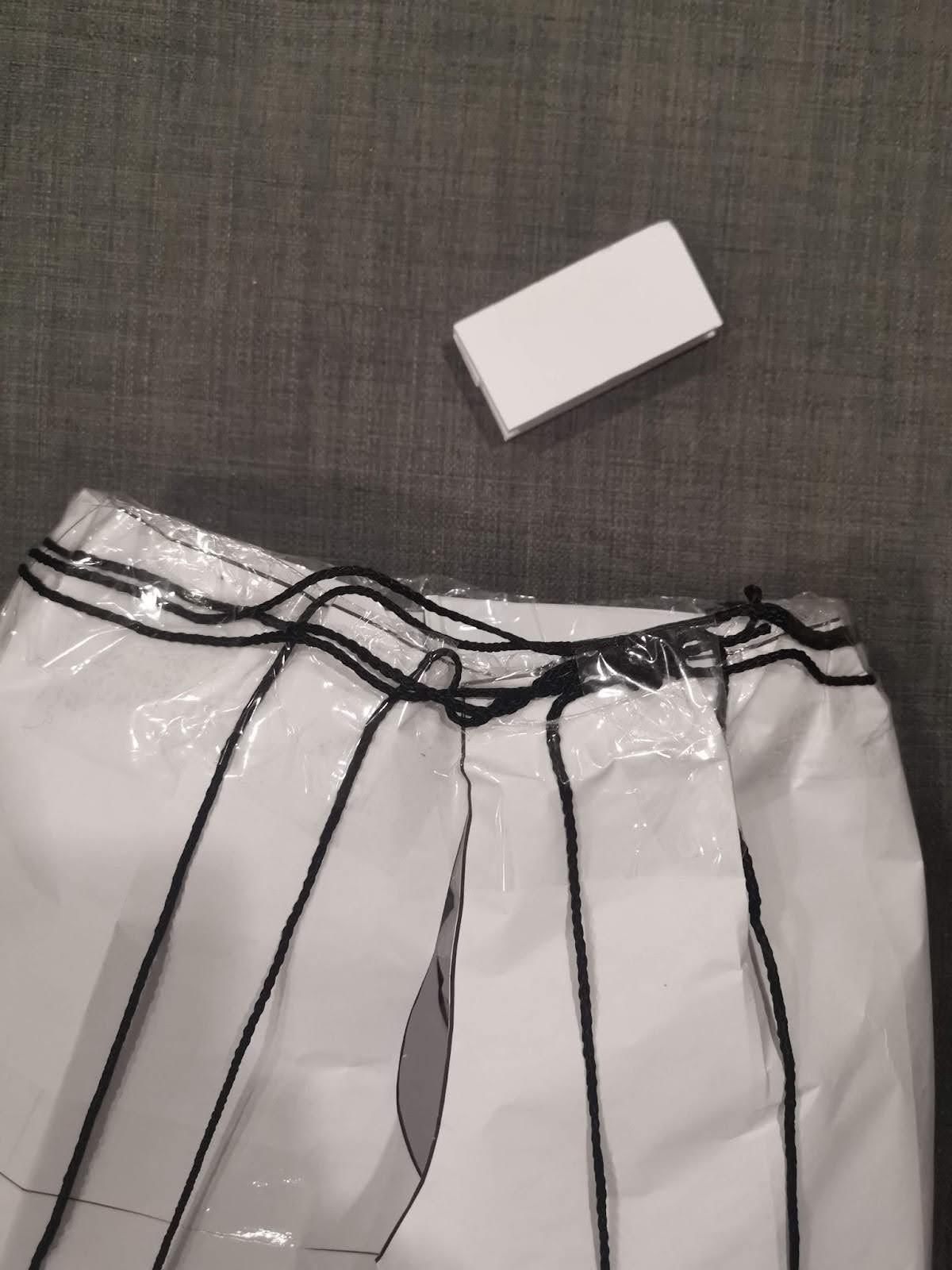
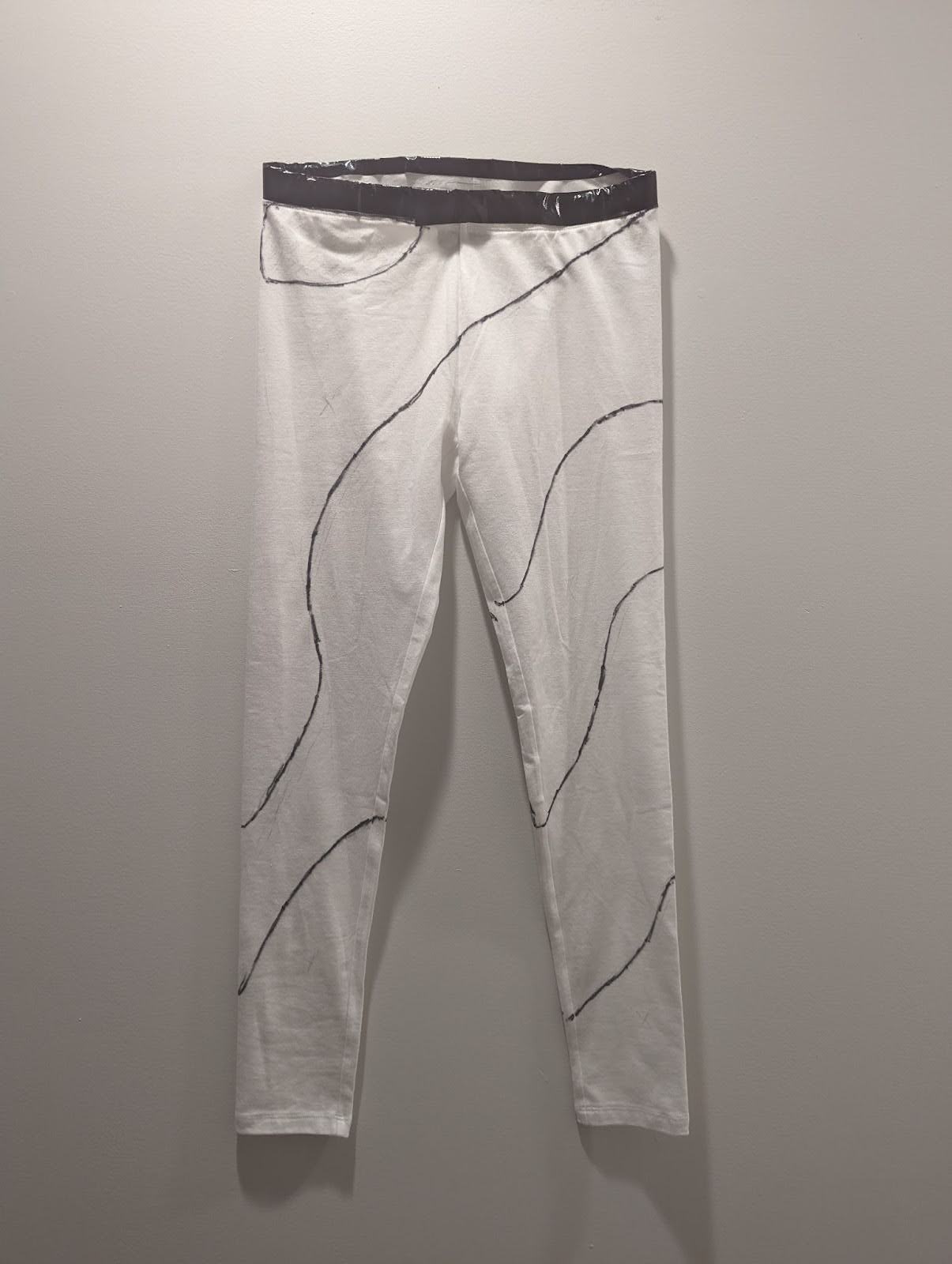
Physical Study Models

Iterative study models tested modular connection integrity, footprint clearance, and sensor placement.

08 // FINAL SYSTEM RENDERINGS

Final Design Render
Final design of the "Cutters Must" wearable sensor system.
Platform Base Render
High-fidelity render of the smart platform base.